
Case Study: The Doctor’s Doctor
Patient Profile
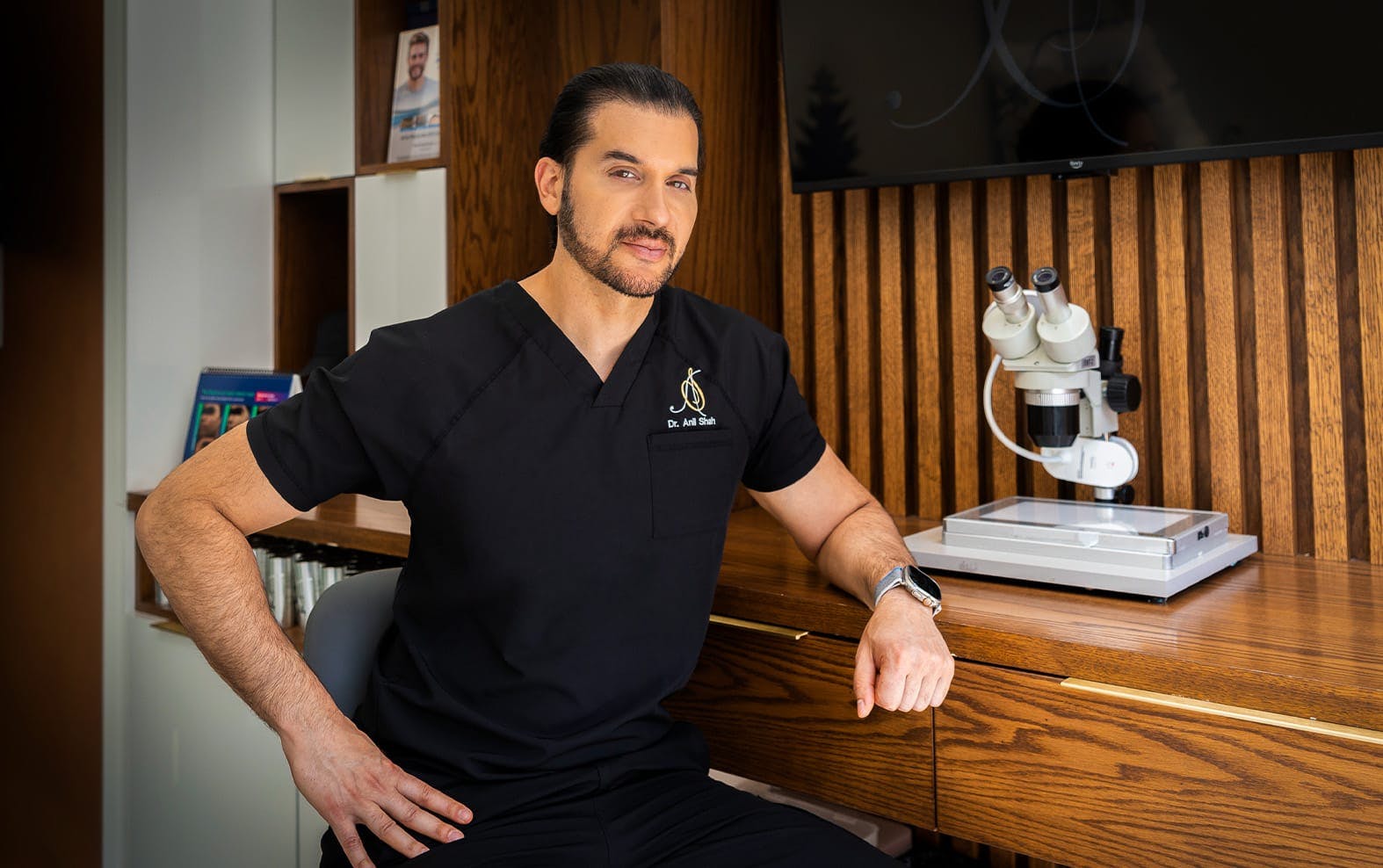
This patient is a board-certified anesthesiologist who wanted to look like a younger, more refreshed version of himself.
Before choosing Dr. Shah, he carefully reviewed the available research of several surgeons, including Dr. Shah’s published work on deeper neck anatomy and his Five-Layer Neck Lift.
The patient isn’t seeking a dramatic transformation. Instead, he wanted a meaningful improvement that remained natural, masculine, and difficult for others to detect.
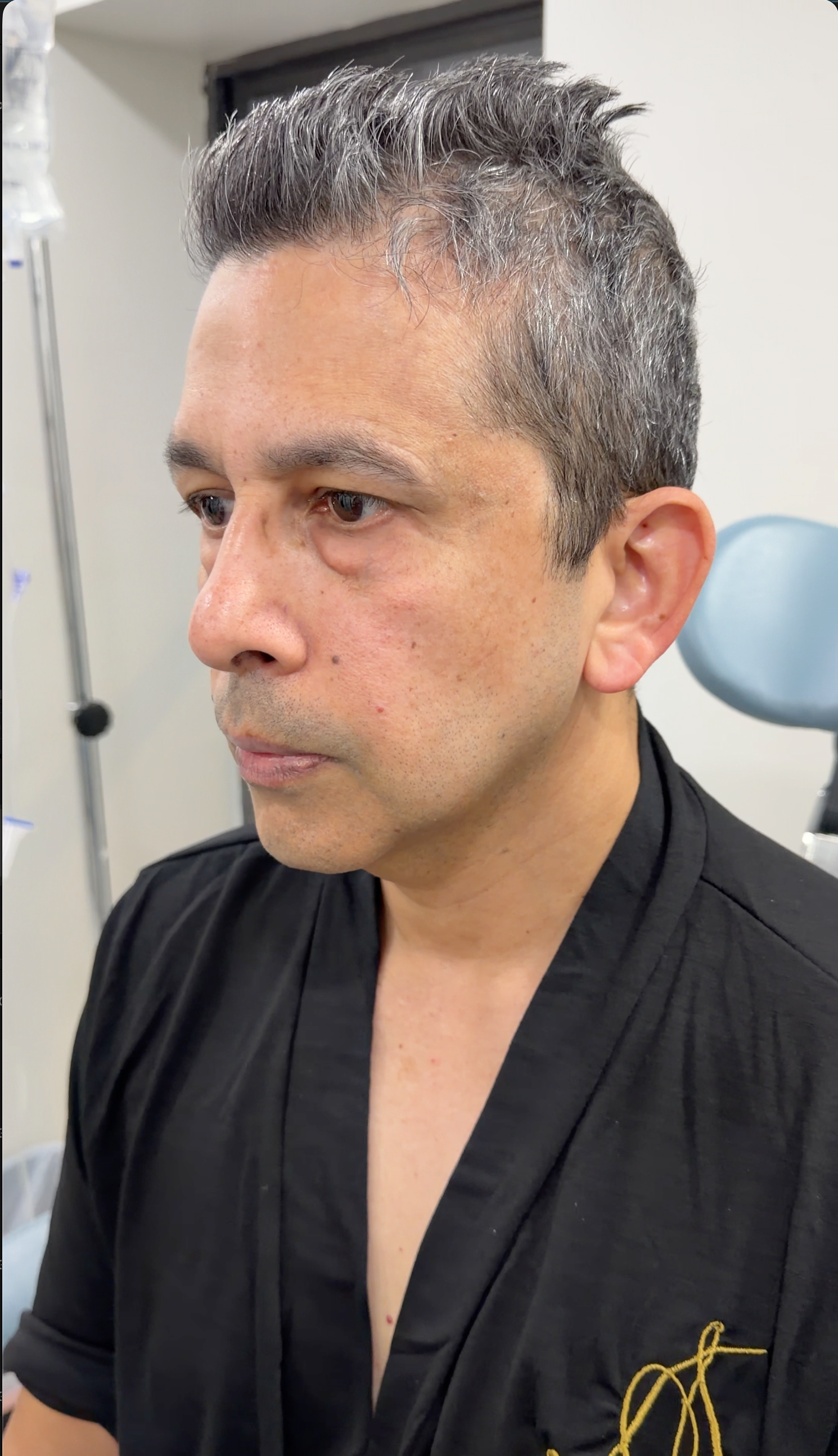
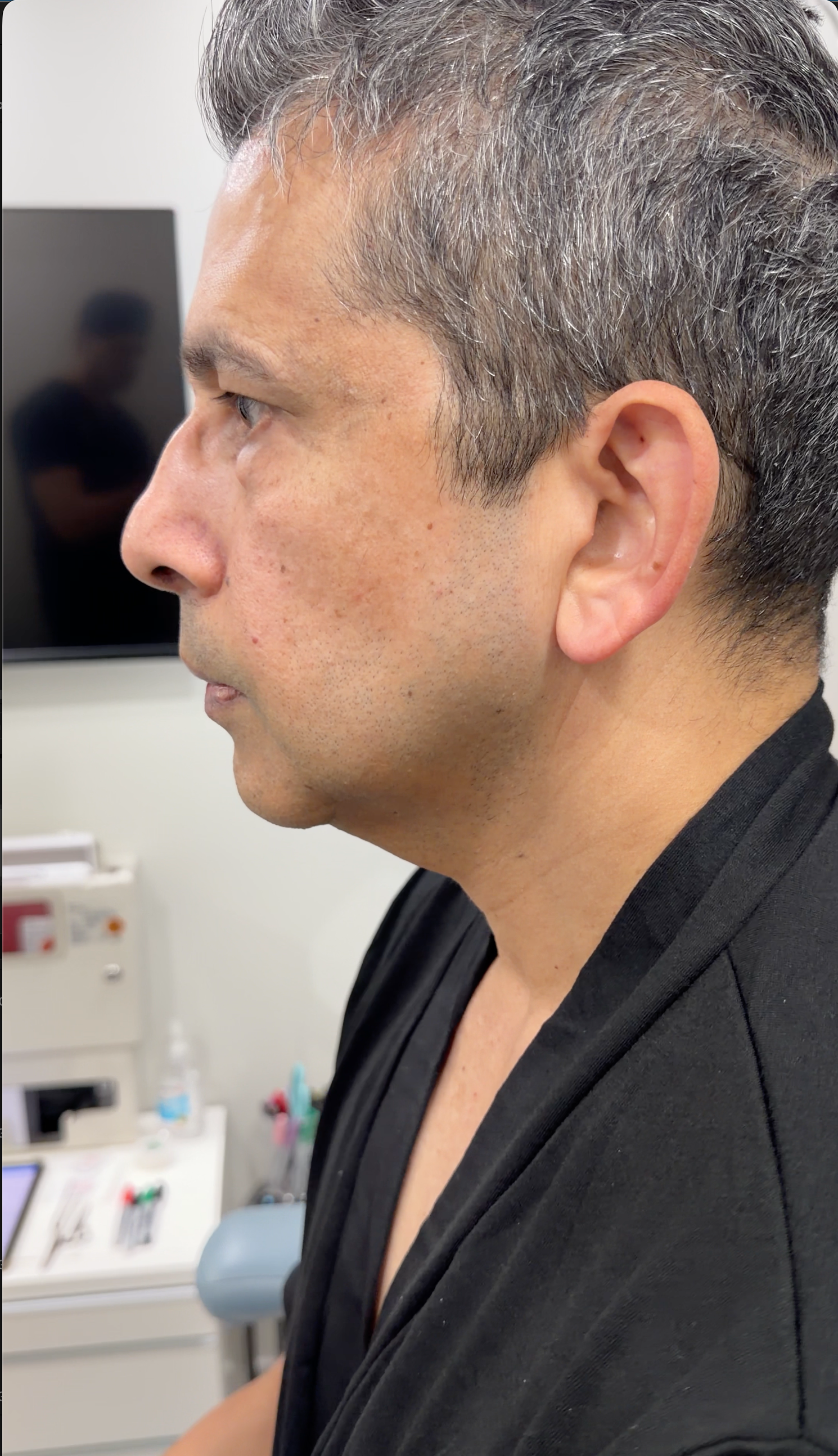
Surgical Techniques Applied
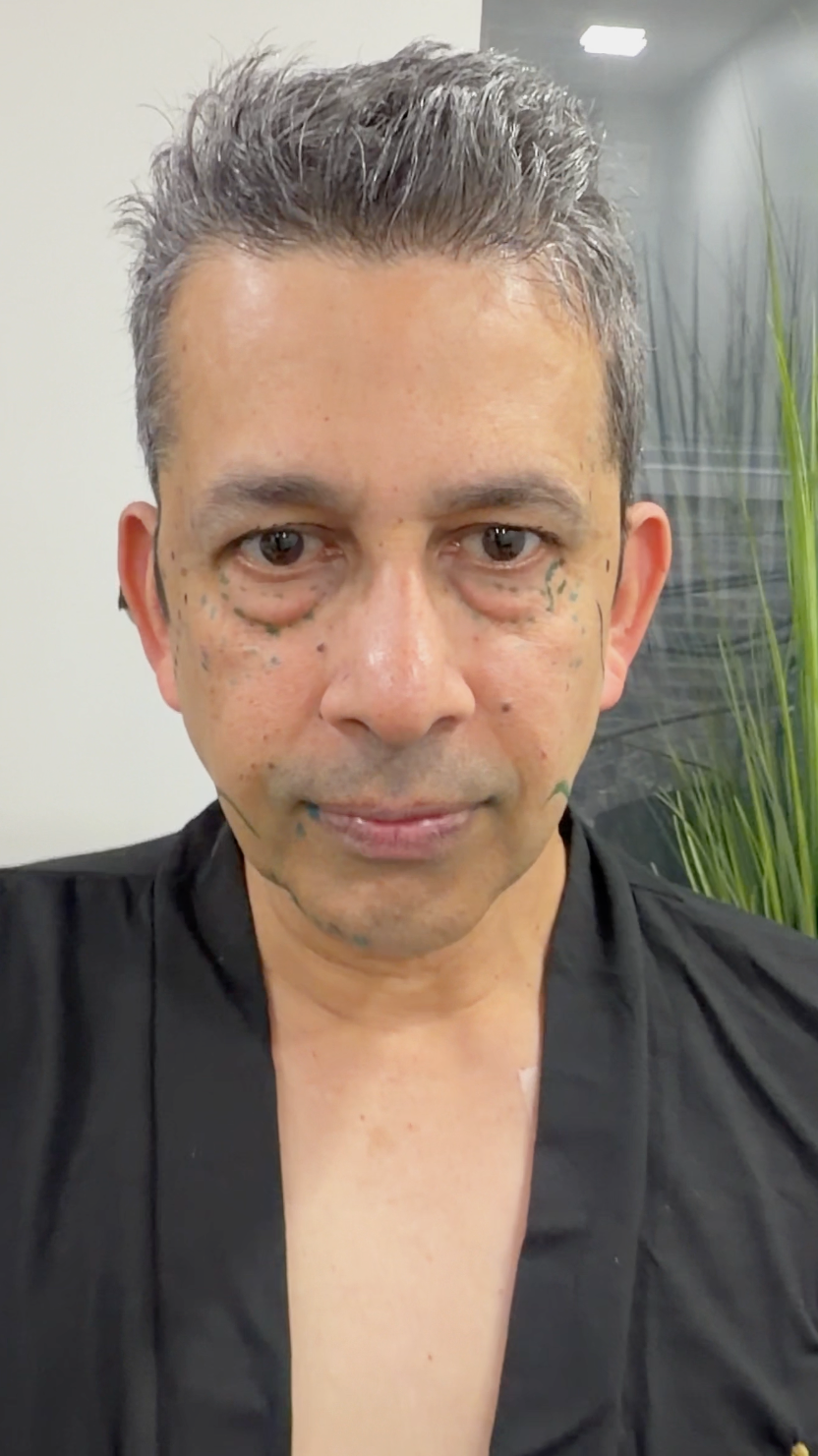
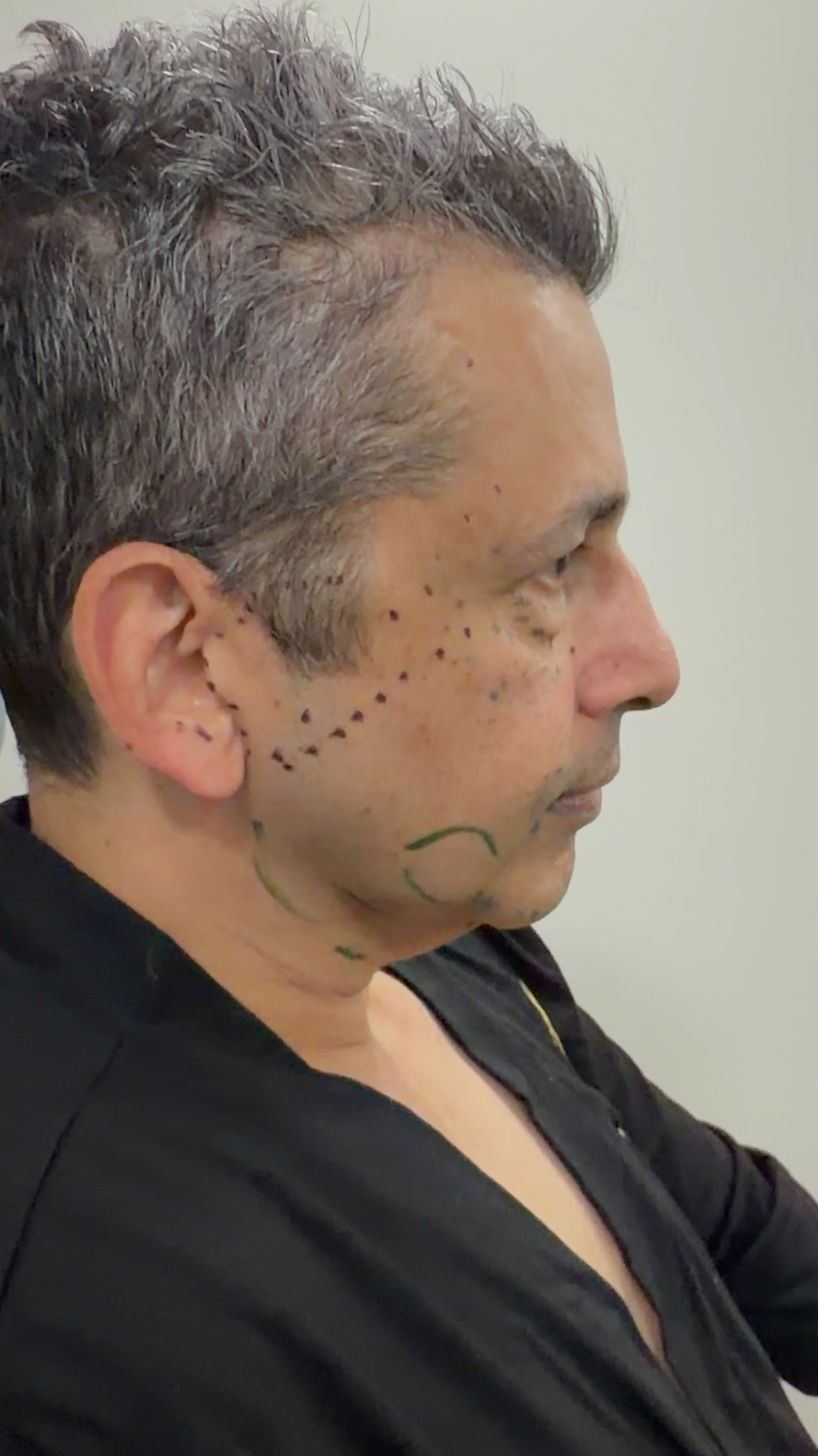
The surgical plan addressed several areas of aging while preserving the patient’s individual features.
The neck was one of the primary areas of focus. Rather than relying only on skin tightening or superficial fat removal, Dr. Shah used his Five-Layer Neck Lift approach to evaluate and reposition the deeper structures responsible for the patient’s neck contour.
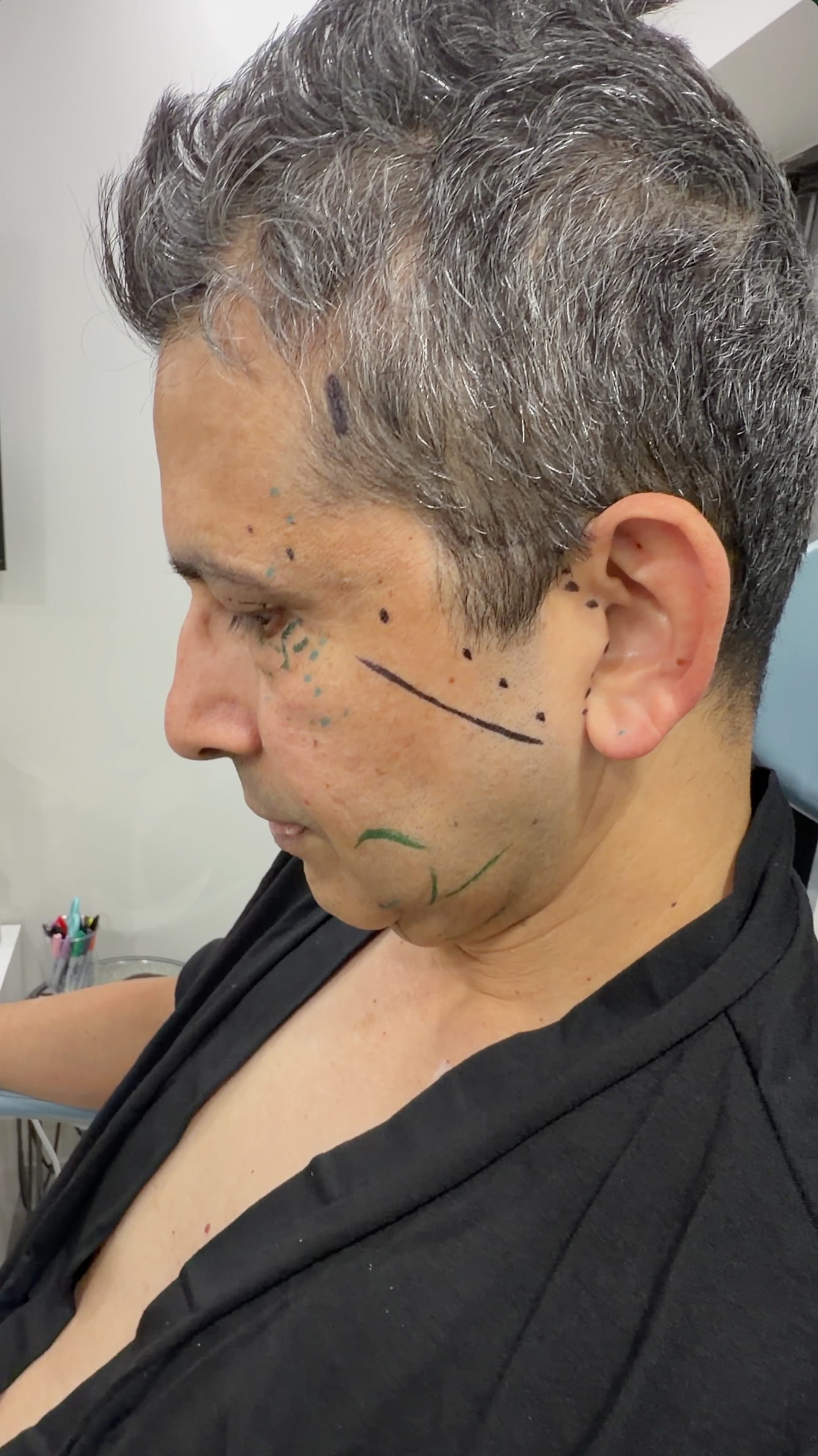
Particular attention was given to the hyoid region and the deeper muscular layers of the neck. By improving this structural foundation, the goal was to create a clearer angle beneath the chin and more precise definition along the jawline without producing an overly tight or artificial appearance. Incision placement was also carefully planned so that the resulting scars would remain discreet and well concealed.
The patient had noticeable asymmetry in the upper face, with the outer portion of his left brow sitting lower than the right. This was corrected through a targeted brow-lifting technique designed to improve balance without creating an elevated or surprised appearance.
Fat was selectively removed where it contributed to heaviness and strategically added where age had created hollowing. Around the mouth, small amounts of fat were used to restore support and soften the inward collapse that can develop over time. This added subtle width and structure.
Recovery Timeline
Because the patient was an anesthesiologist, the medication protocol was an important part of the planning process. He worked closely with Dr. Shah’s surgical team to review the anesthesia strategy in detail.
The customized plan avoided benzodiazepines and narcotics, which can contribute to grogginess, nausea, and a slower early recovery in some patients. Instead, the team incorporated Precedex as part of a carefully tailored anesthetic protocol.
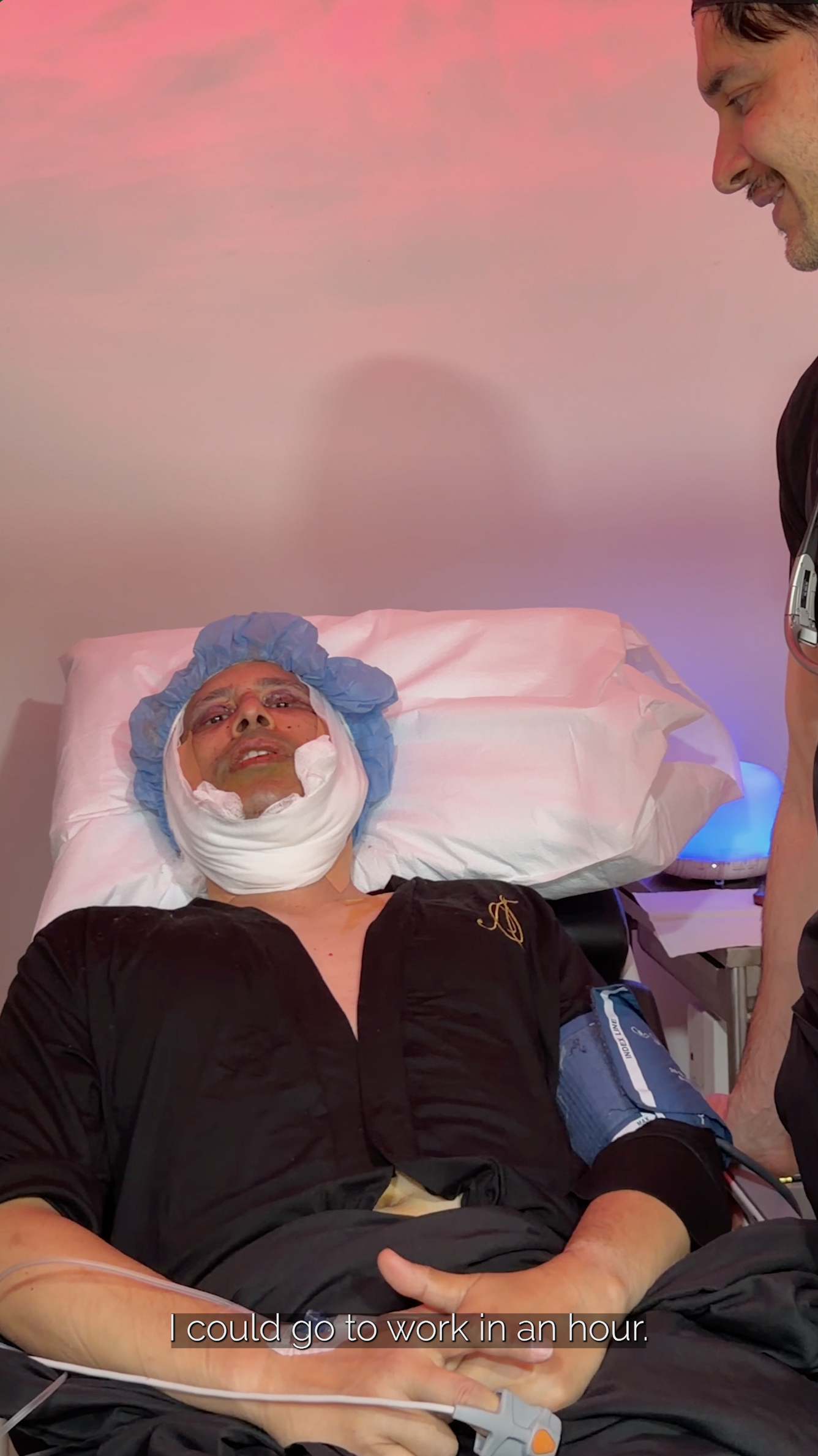
Following surgery, the patient awoke alert and comfortable, without nausea or vomiting. He also reported minimal cognitive fogginess—an especially meaningful outcome for someone with an expert understanding of anesthesia and its effects.
The Early Recovery
Immediately after surgery, the patient could already see greater definition through the jawline and neck, although swelling and bruising were expected to temporarily obscure the final result.
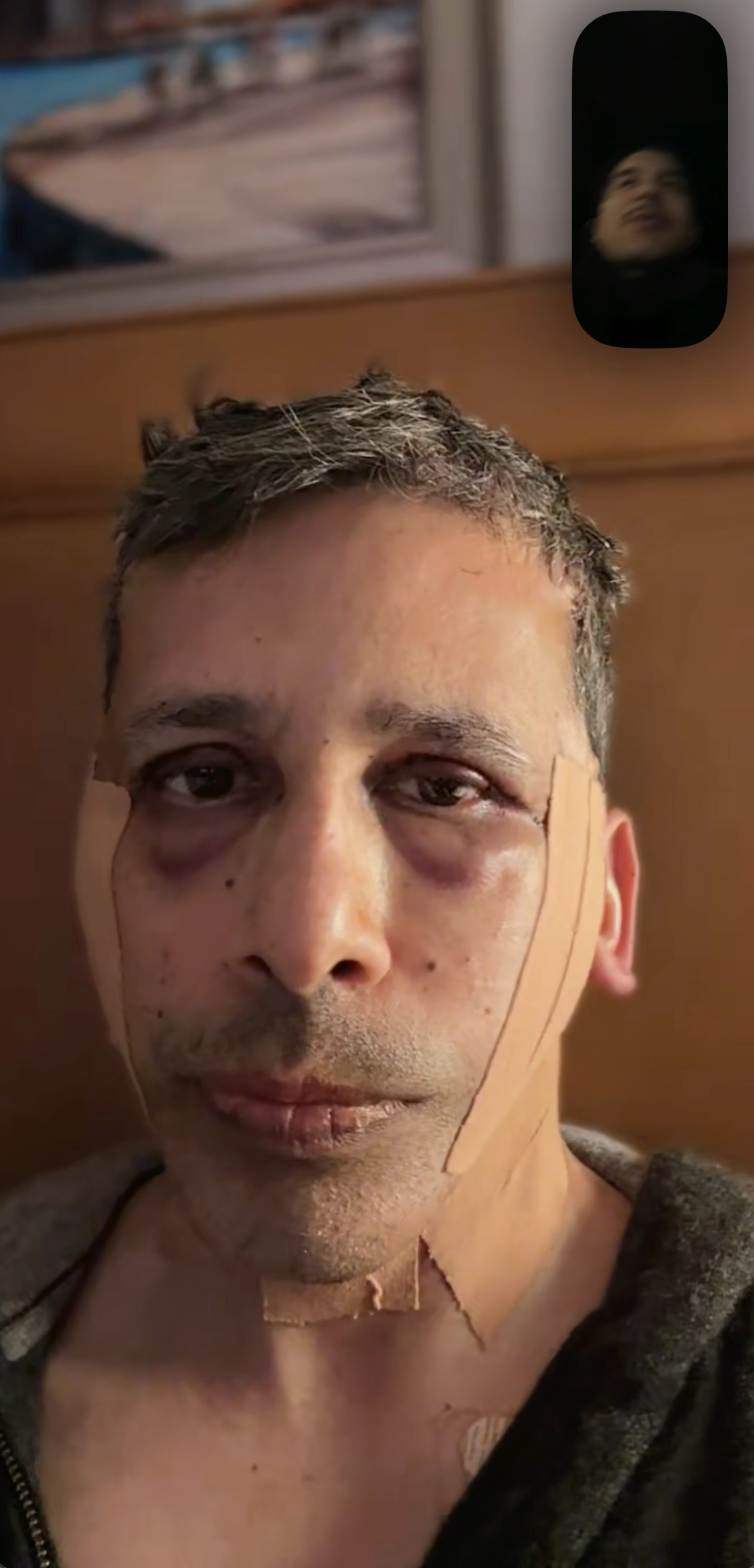
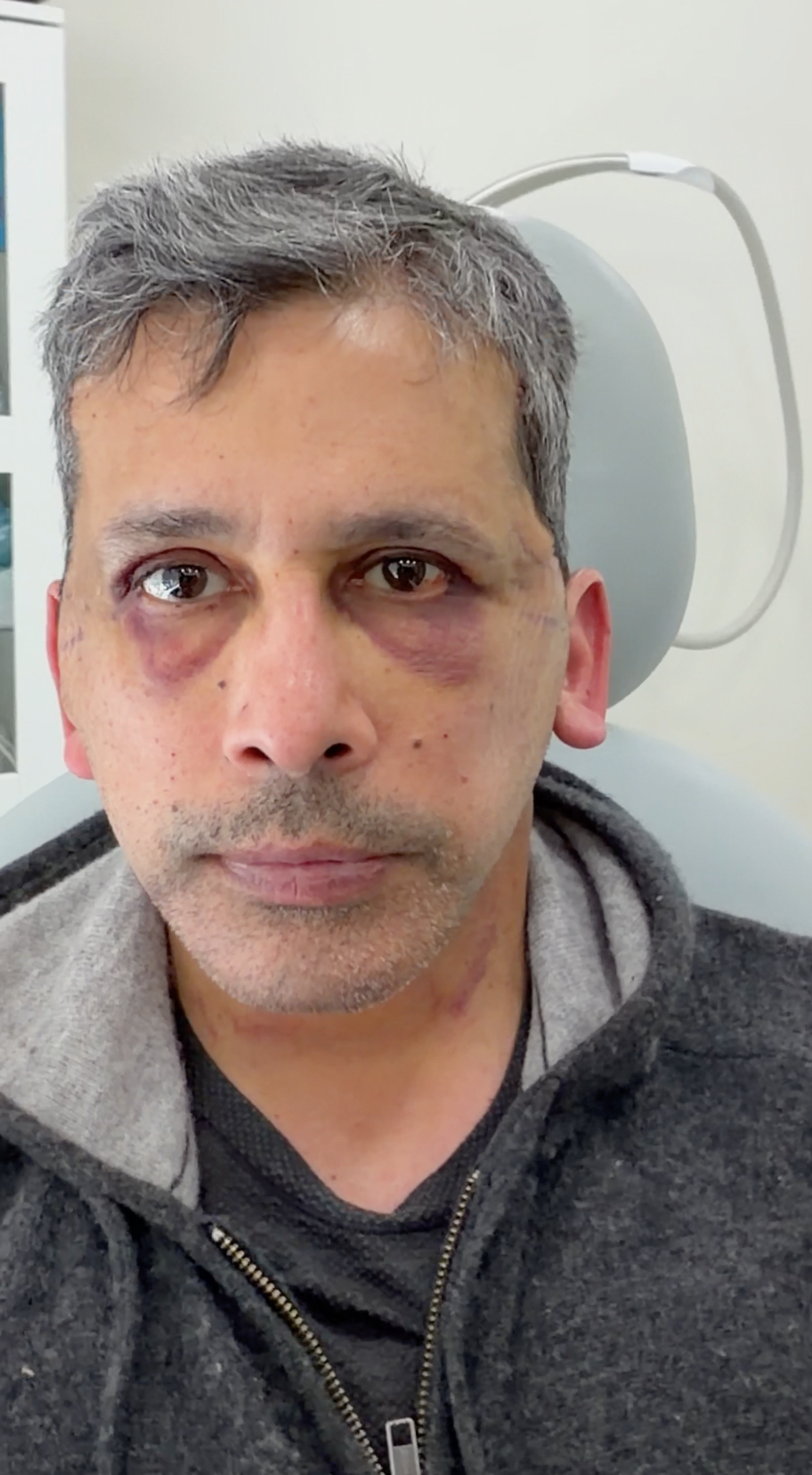
During the first several days, controlled cooling was used to help manage the initial inflammatory response. Swelling after comprehensive facial surgery is normal and follows a gradual, individualized timeline. Although surgical technique can help minimize tissue trauma, the body still requires time to heal.
The recovery protocol also included gentle walking to support circulation. Vigorous exercise was restricted, but light movement helped encourage venous and lymphatic flow as the tissues recovered.
Additional therapies were used selectively. Hyperbaric oxygen therapy was incorporated to support healing, while laser treatment was used to address persistent bruising beneath the eyes. The laser helped break down residual discoloration and reduce the likelihood of longer-lasting pigment from trapped blood products.
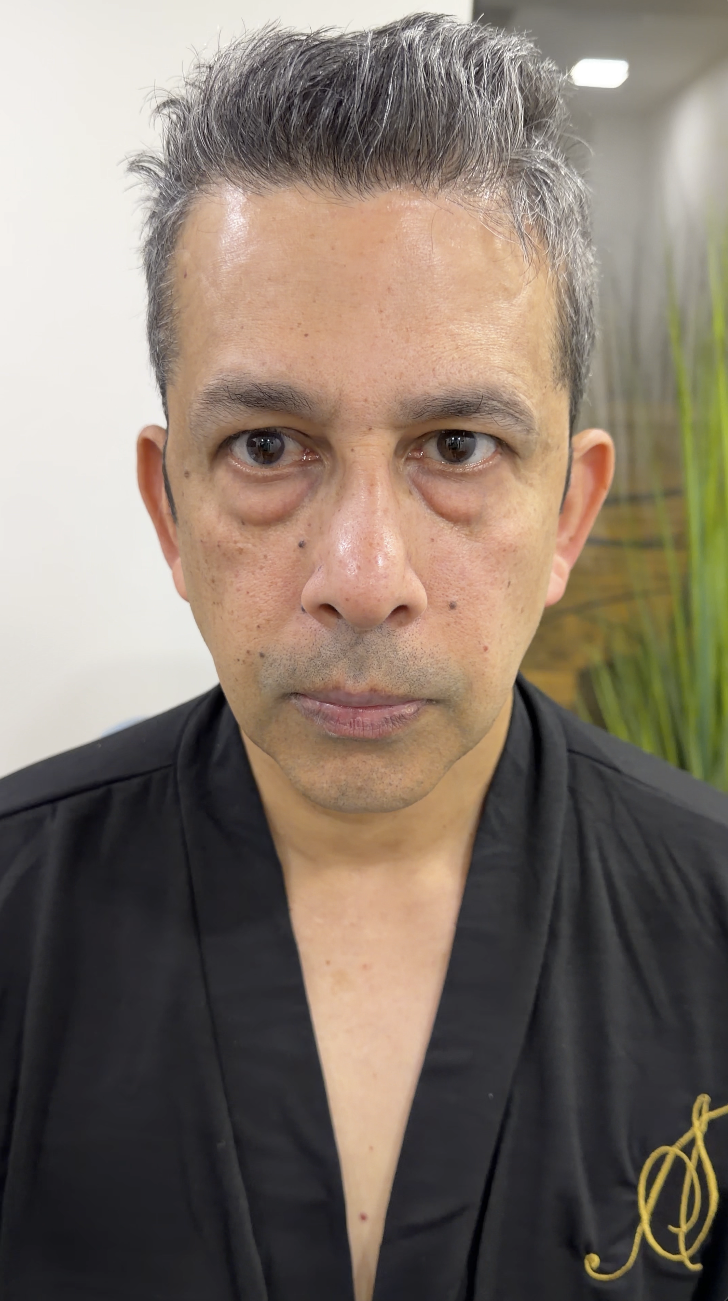
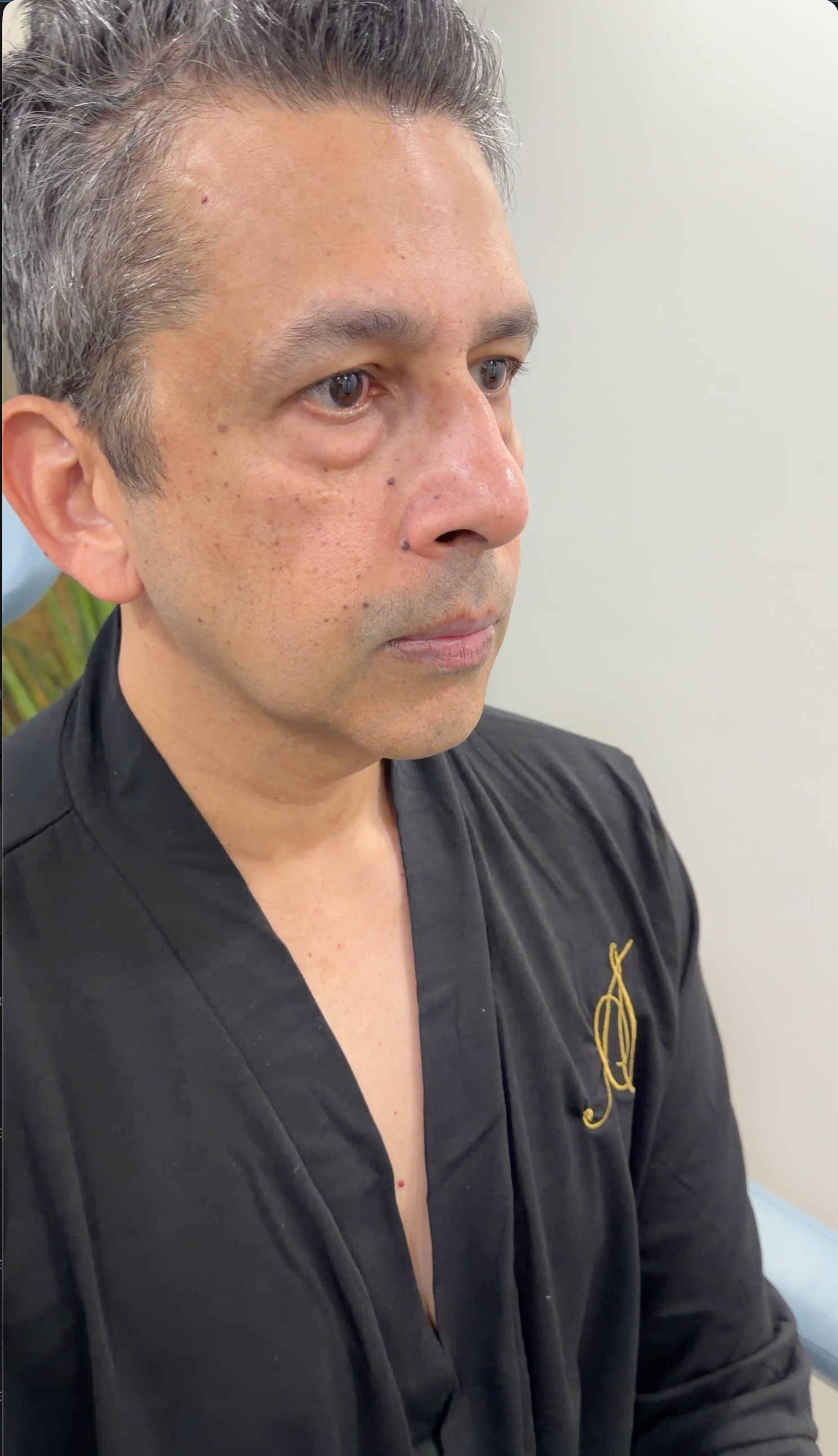
Early recovery - 1st night
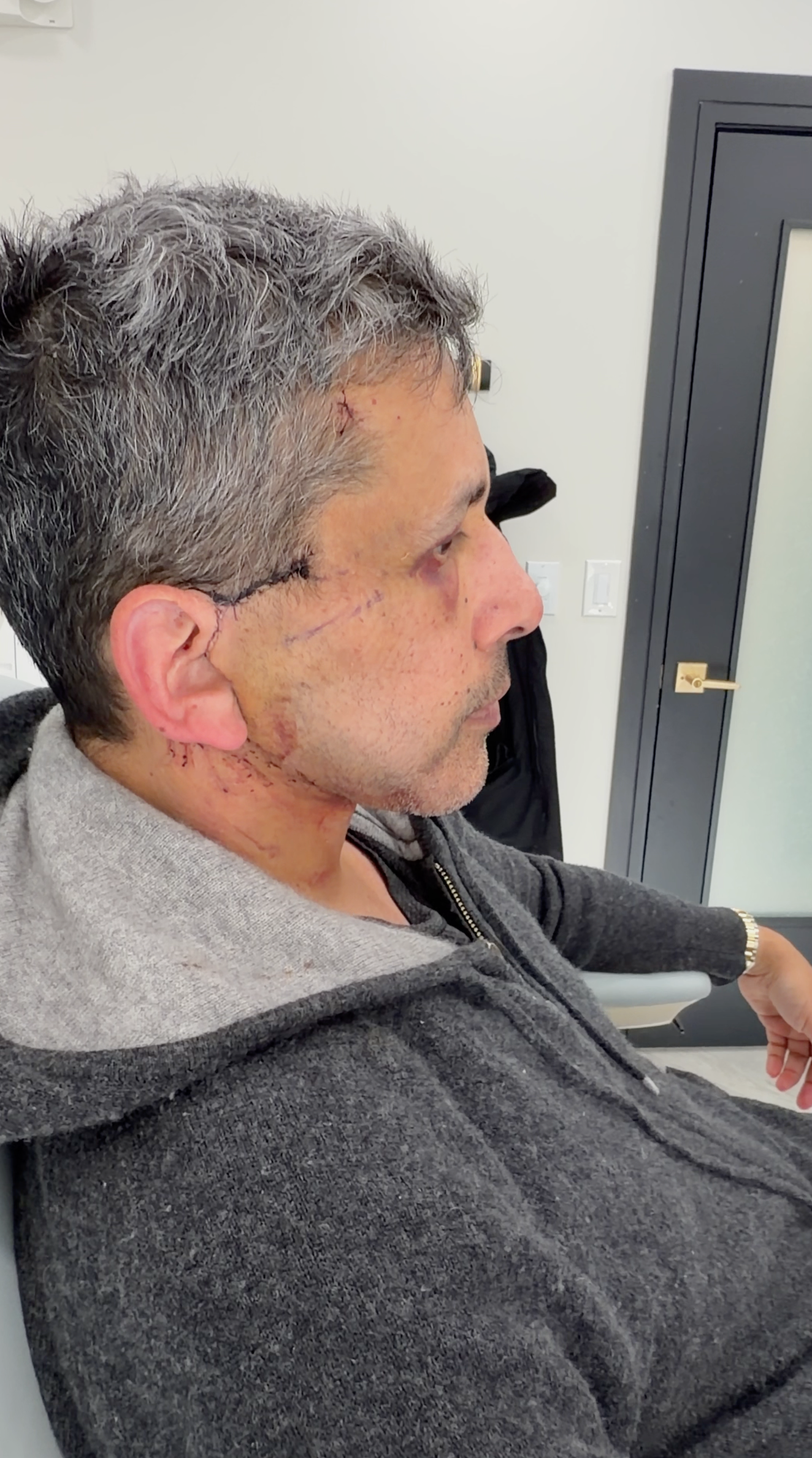
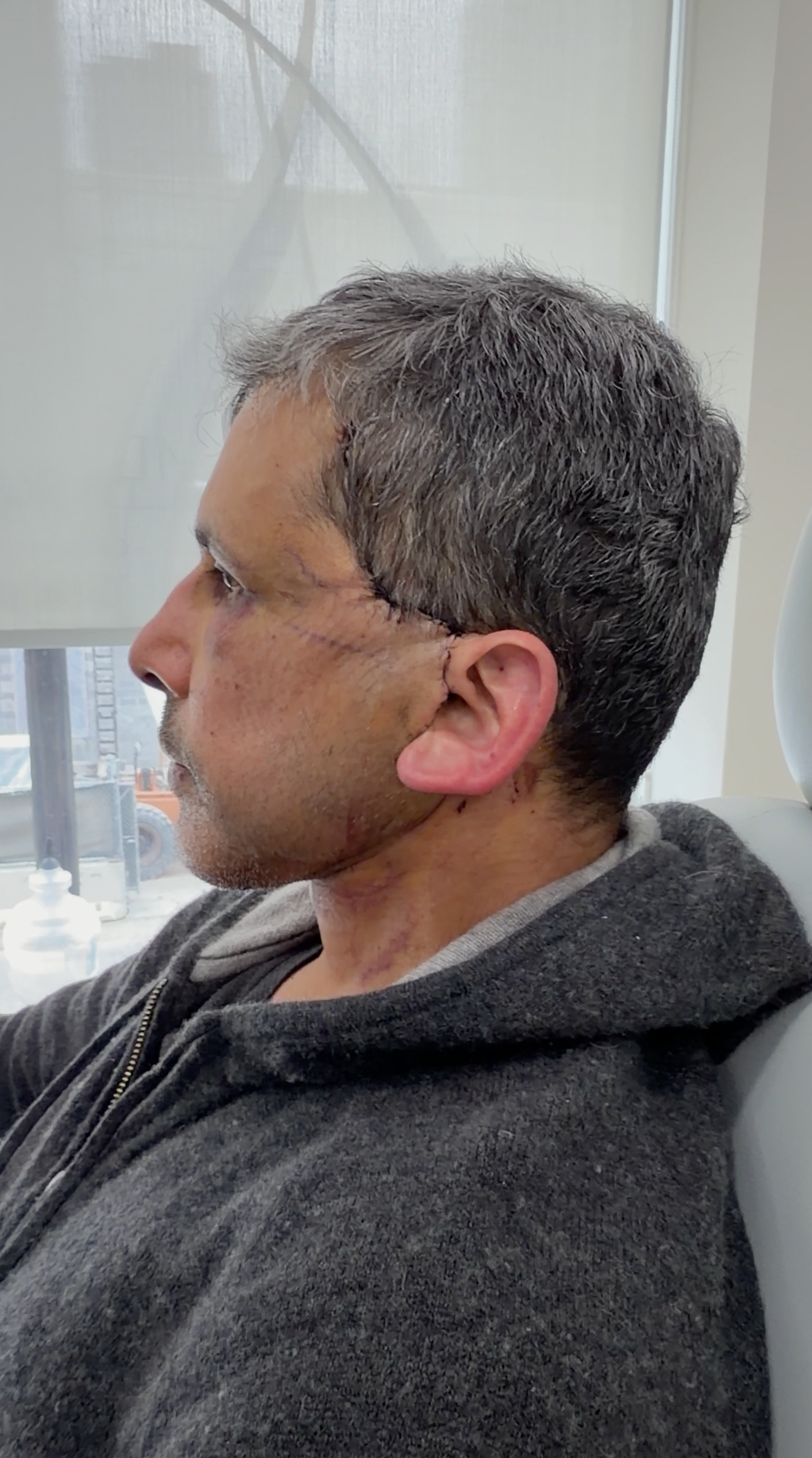
2 Days Post-Op
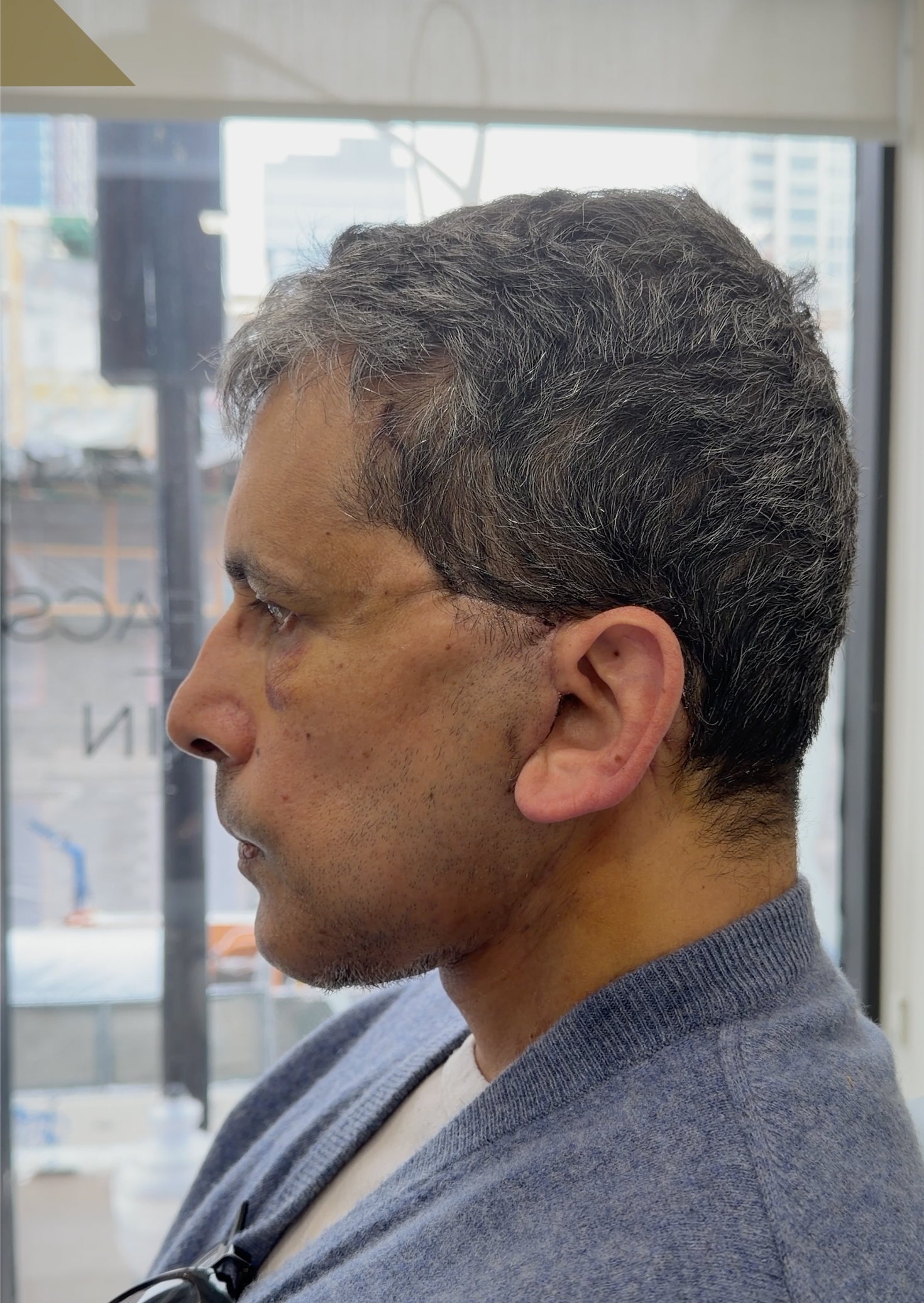
2 Weeks Post-Op
Three Weeks Later
By the three-week point, the patient felt comfortable, confident, and increasingly like himself again. Swelling continued to improve, the facial proportions appeared more balanced, and the neck and jawline showed clearer definition.
Most importantly, the result did not appear feminine or overcorrected. His features remained recognizably his own, but the heaviness and asymmetry associated with aging had been reduced.
He was able to travel comfortably and begin returning to his active professional life without feeling self-conscious about his appearance.
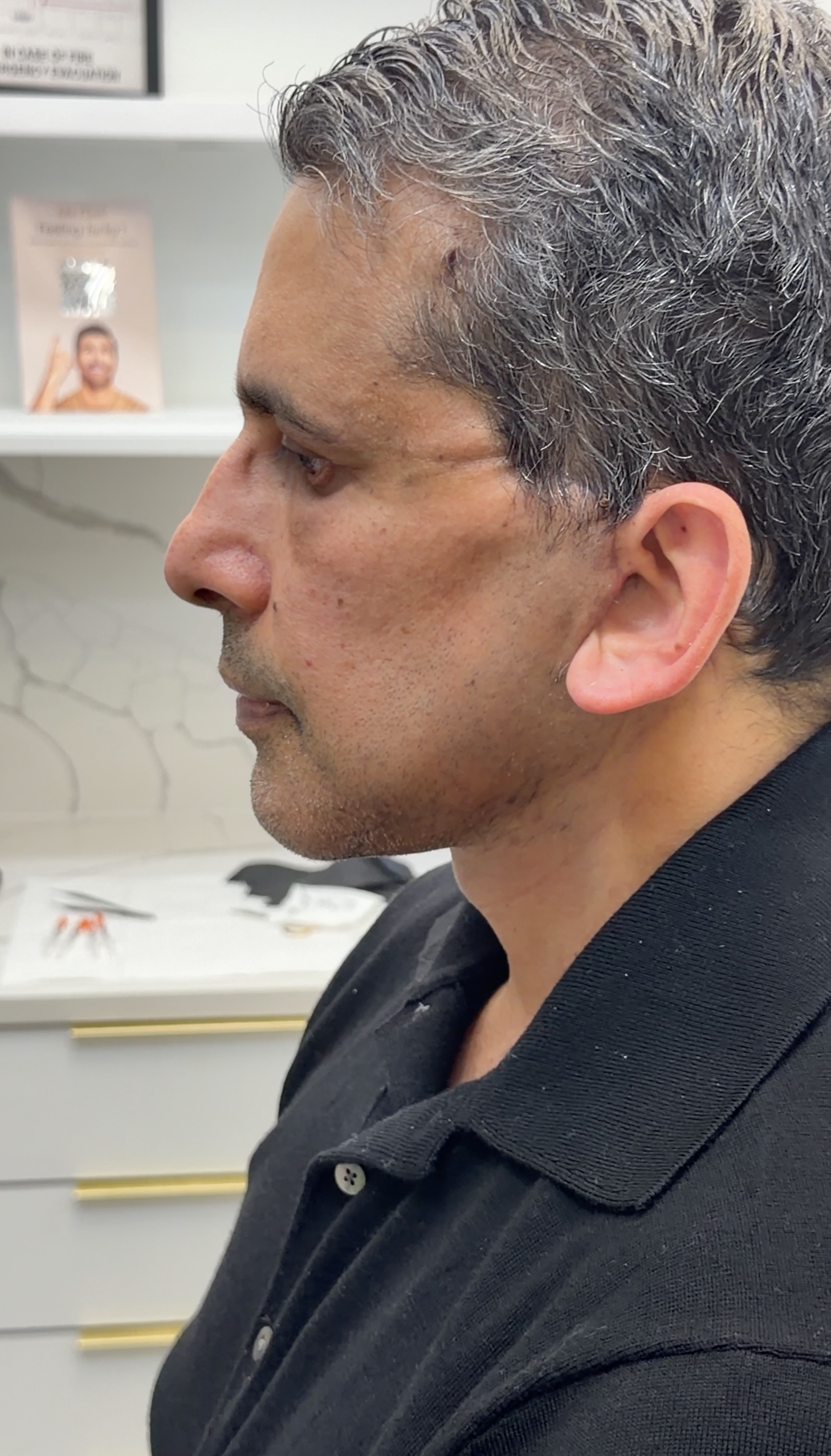
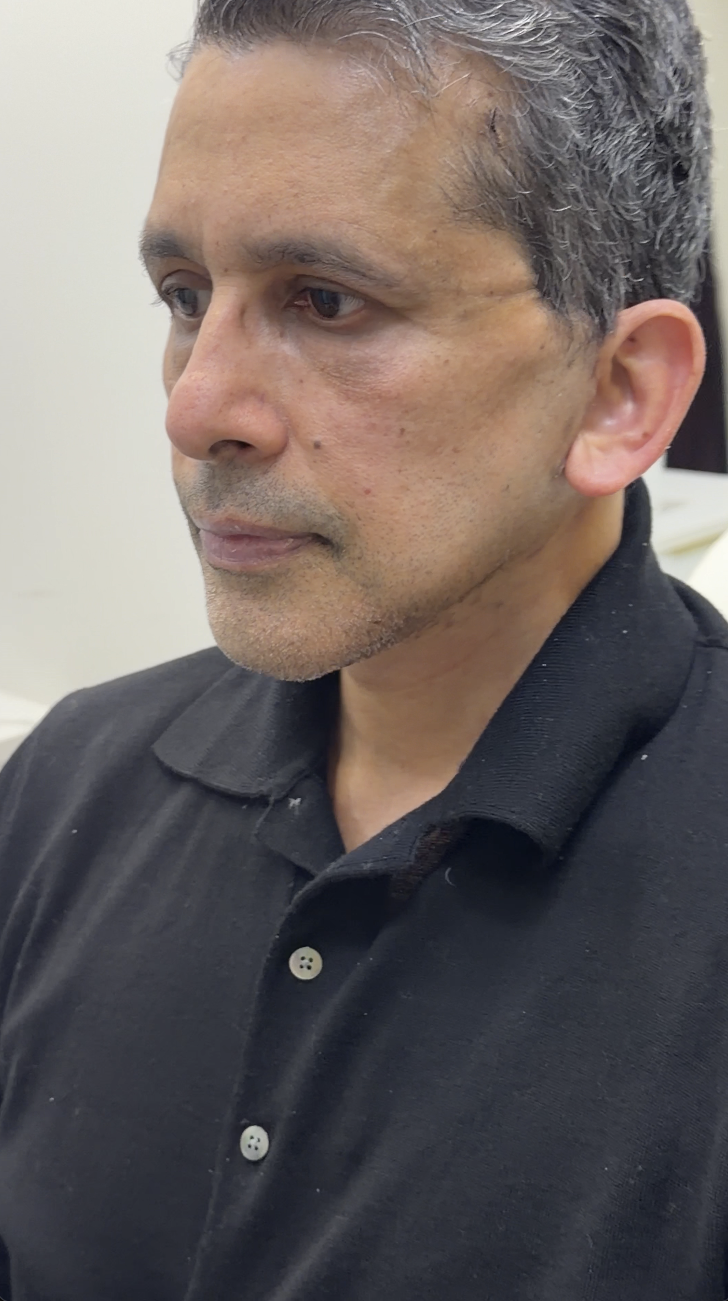
3 Weeks Post-Op
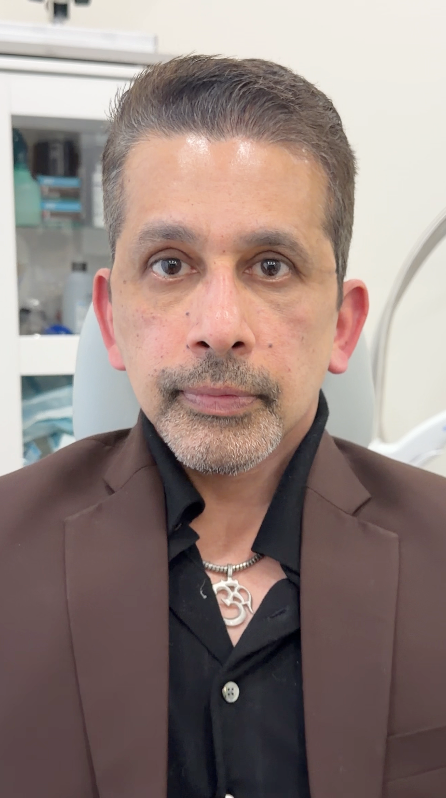
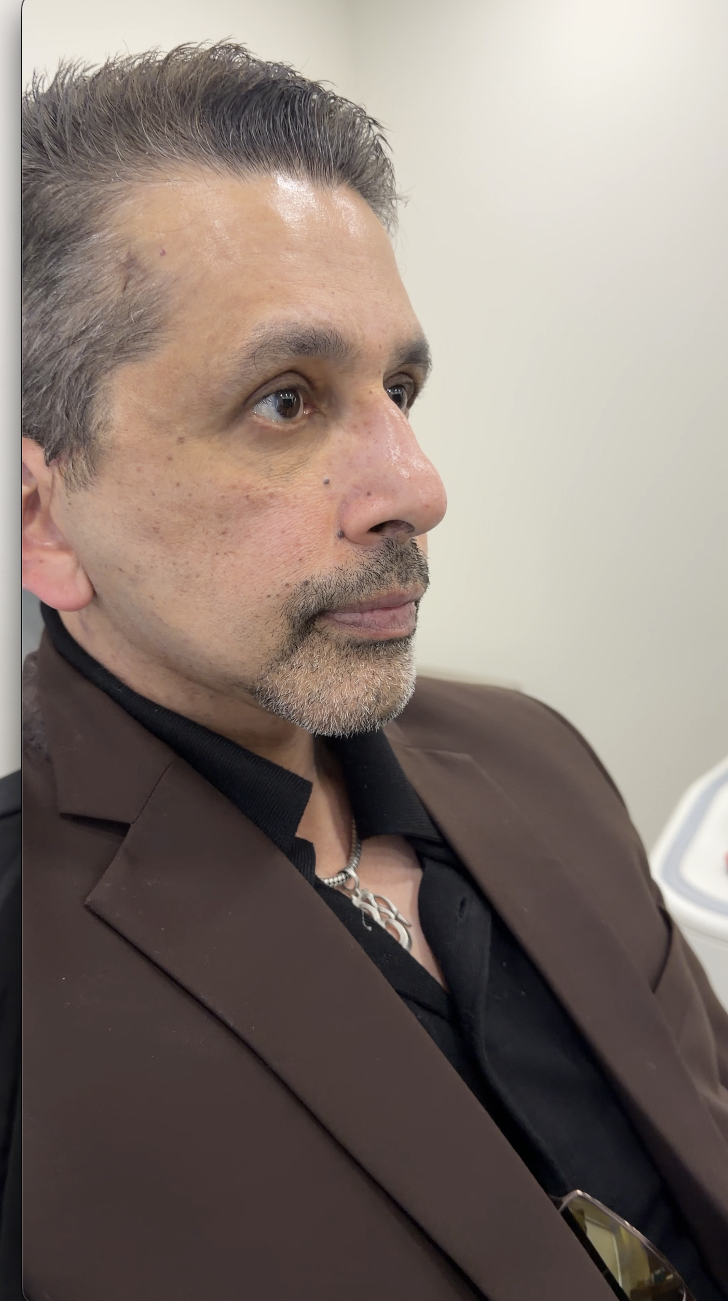
2 Months Post-Op
Three Months Later
By the two to three month mark, the patient felt completely back to normal, with his facial sensations and expressions fully restored, save for a lingering, gentle tightness beneath the chin where the structural foundation had been repositioned. Swelling had thoroughly subsided, revealing the crisp, refined definition along the jawline and neck that he had initially envisioned.
Having resumed international travel and his demanding professional life, he found that friends and colleagues simply noticed he looked refreshed, with spontaneous comments noting how well he looked, without ever questioning whether he had undergone surgery. Minor hyperpigmentation along the incision lines was addressed with targeted laser therapy, ensuring discreet and seamless healing. Looking back on the comprehensive journey, as both an anesthesiologist and a patient, he confirmed he would make the exact same choice 100% over again.
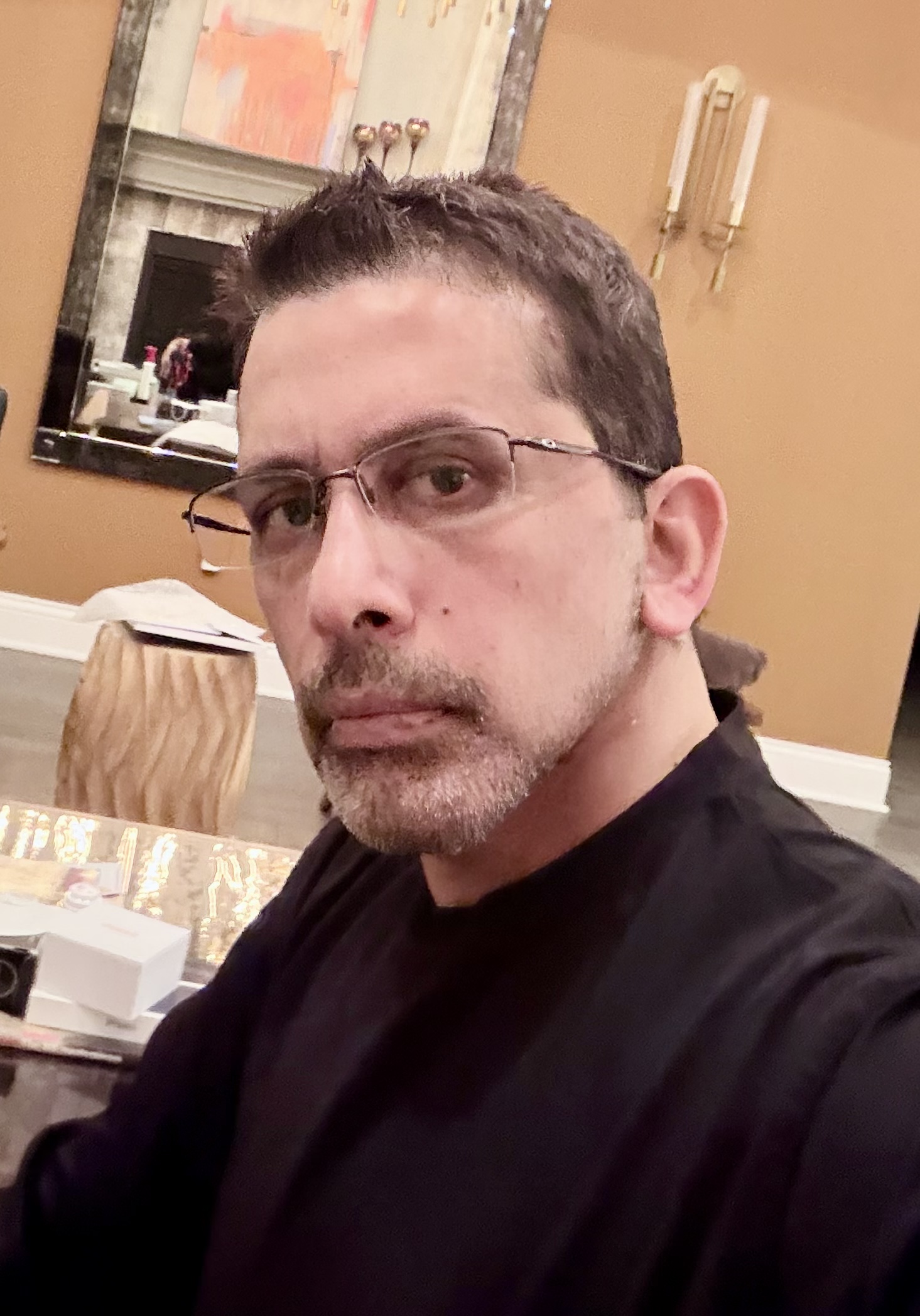
3 Months Post-Op
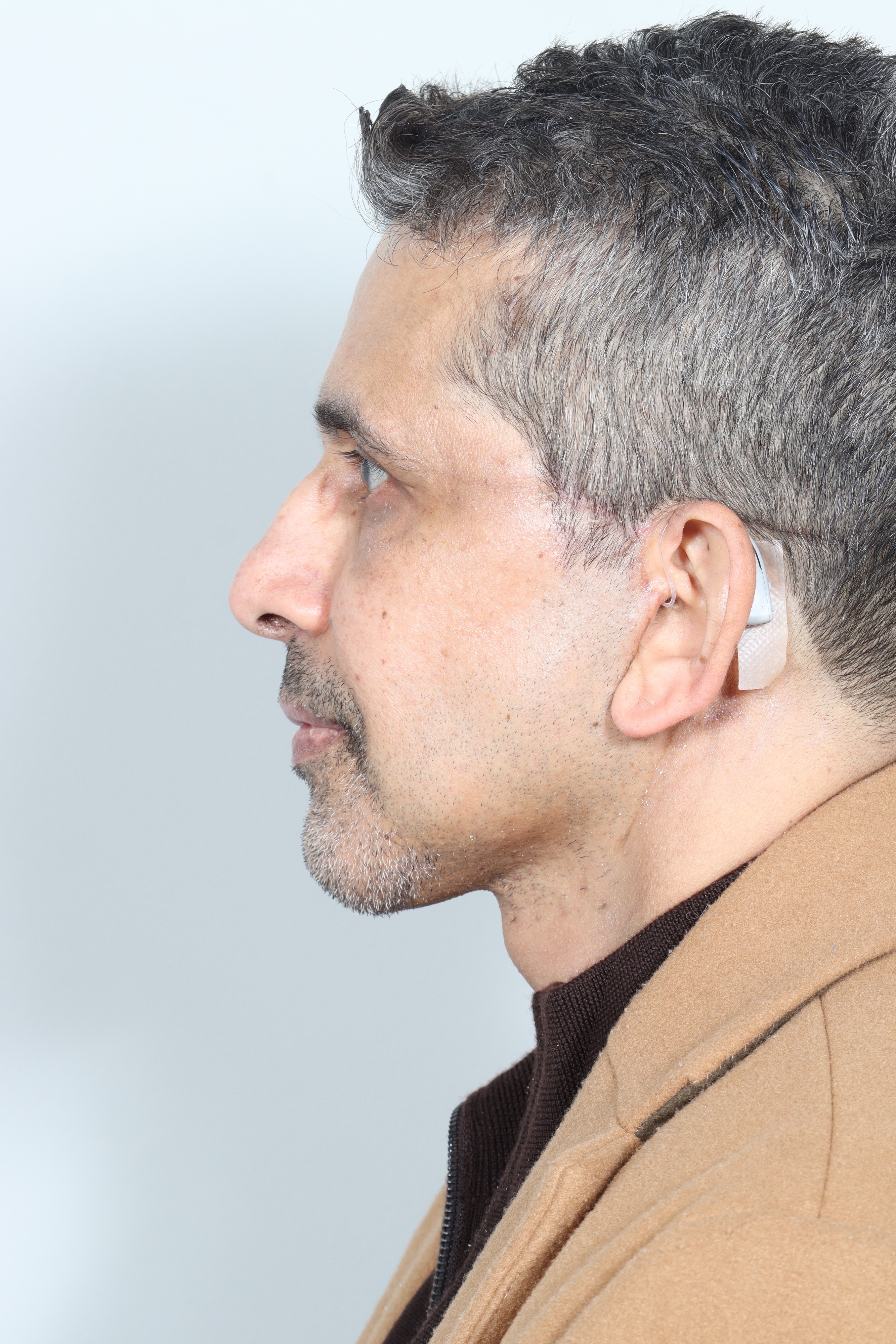
3 Months Post-Op
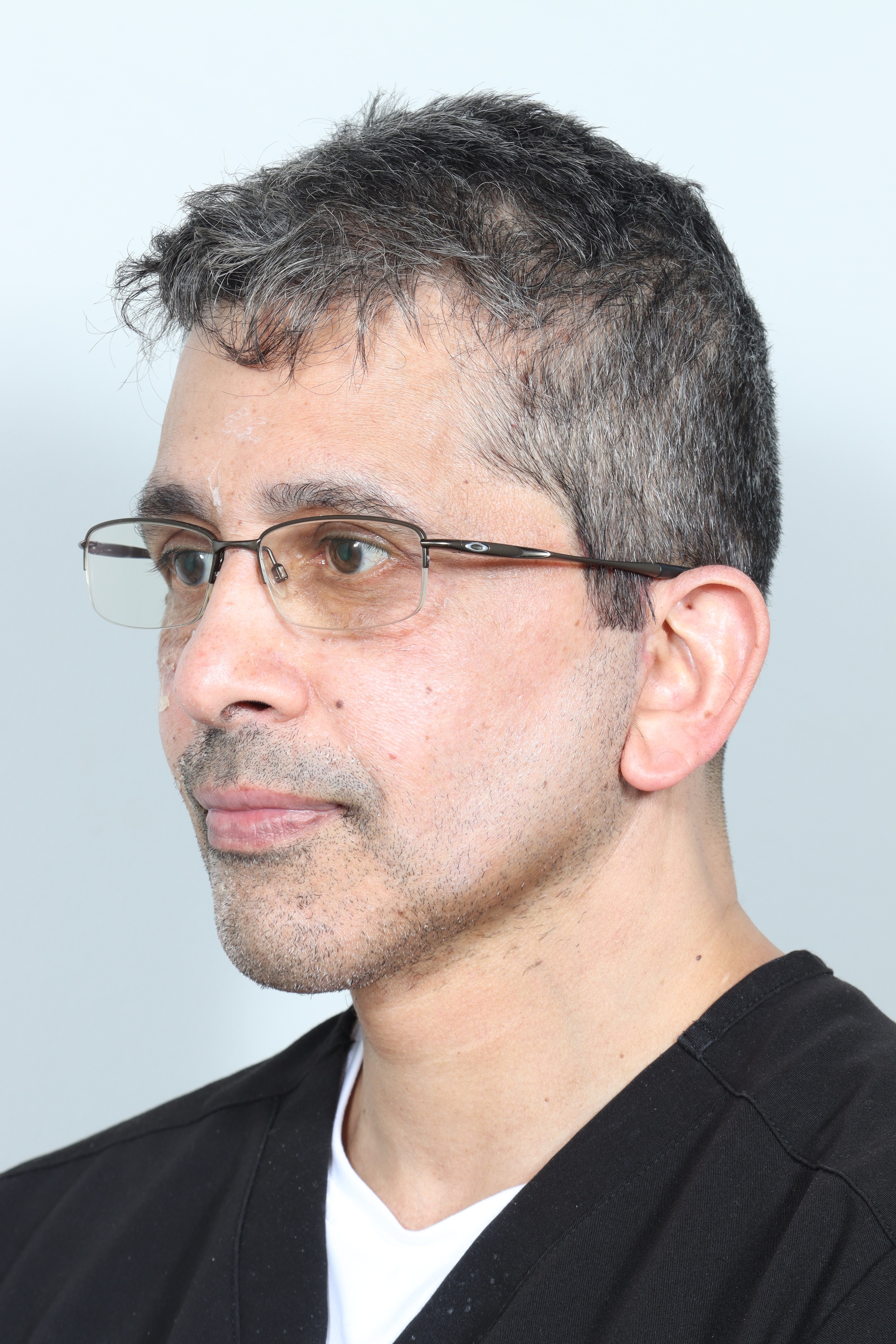
5 Months Post-Op
The Value of an Individualized Plan
Male facial rejuvenation requires more than simply applying standard facelift techniques to a male patient. The jawline, brow position, facial width, volume distribution, and neck anatomy must all be considered in relation to one another.
In this case, the combination of deeper structural correction, subtle volume restoration, asymmetry treatment, thoughtful anesthesia, and comprehensive aftercare created a result that felt balanced and distinctly masculine.
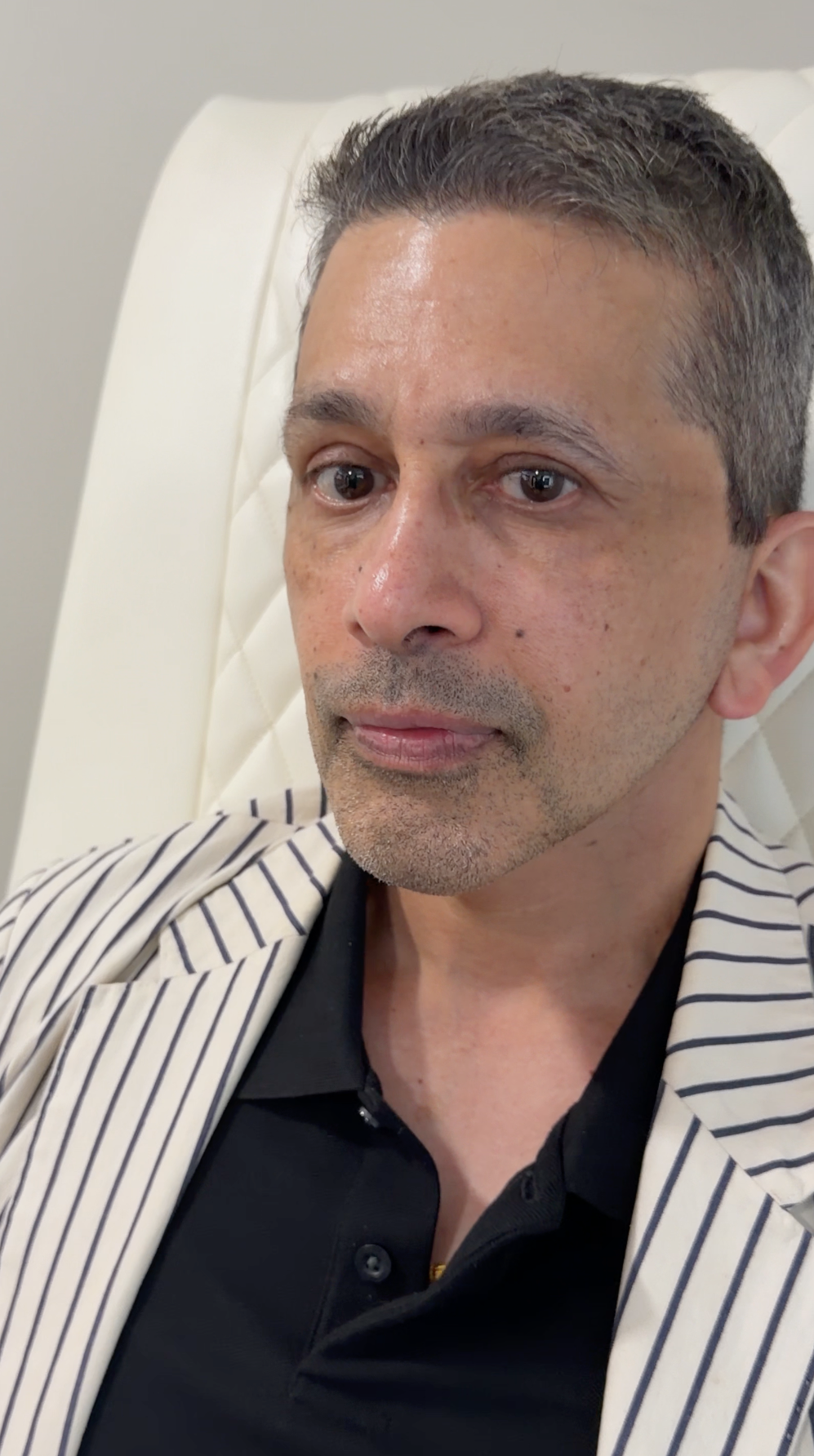
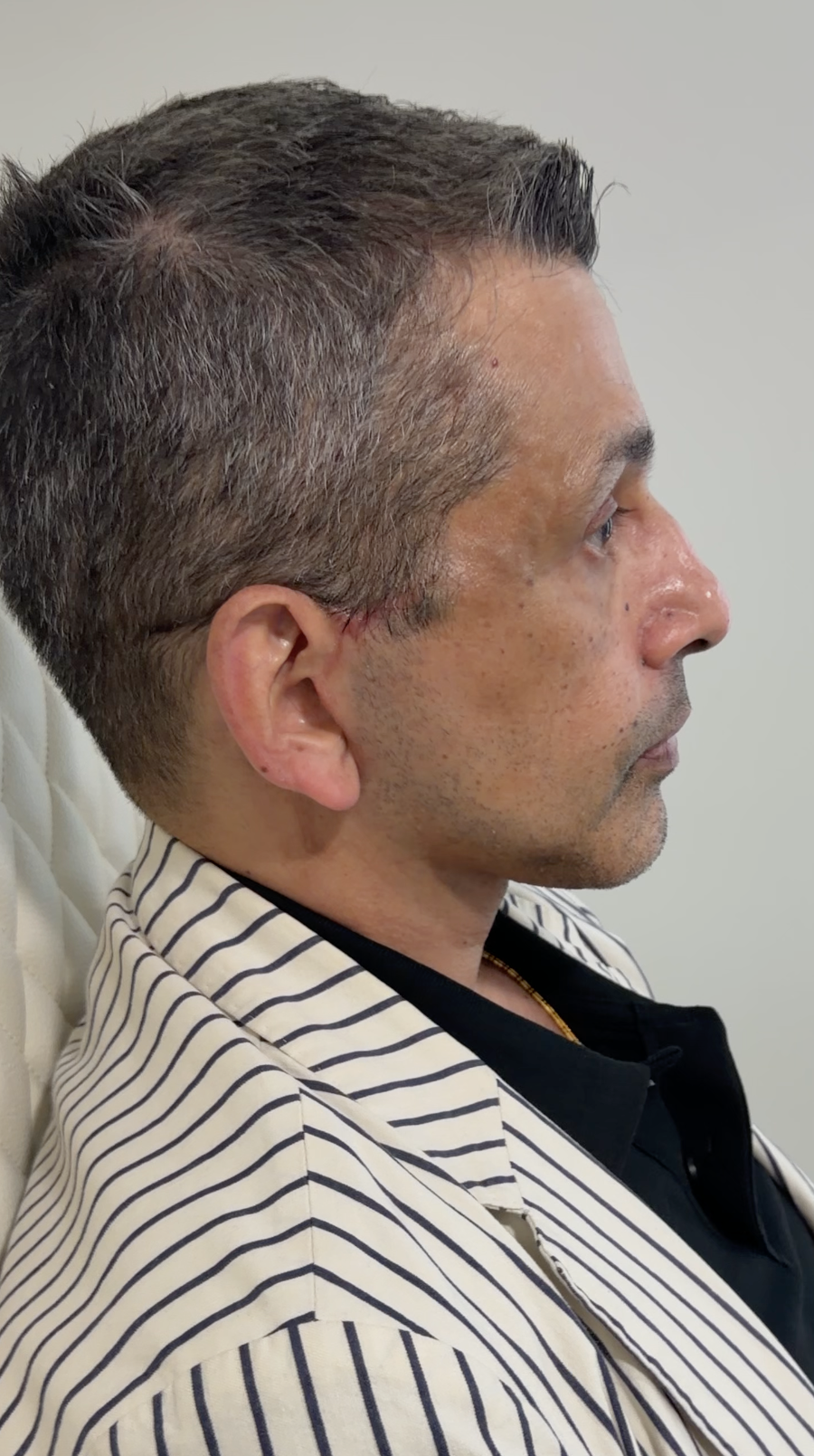
9 Months Post-Op