IPL Overview

What is IPL?

Unlike a traditional laser, IPL uses a broad spectrum of light to target pigment and vascular concerns in the skin. It can help reduce the appearance of sun spots, age spots, redness, rosacea, broken blood vessels, and overall uneven coloration.

IPL can also improve overall skin quality by supporting collagen stimulation and helping the skin look clearer, smoother, and more refreshed.

Pattern media

What Is IPL Most Commonly Used For?

IPL is most commonly used to improve:

  • Sun spots and age spots
  • Brown blotches from sun damage
  • Hyperpigmentation
  • Redness and rosacea
  • Dilated or broken blood vessels
  • Flushing
  • Uneven skin tone
  • Skin texture
  • Enlarged pores
  • Photoaging on the face, neck, chest, hands, and other areas

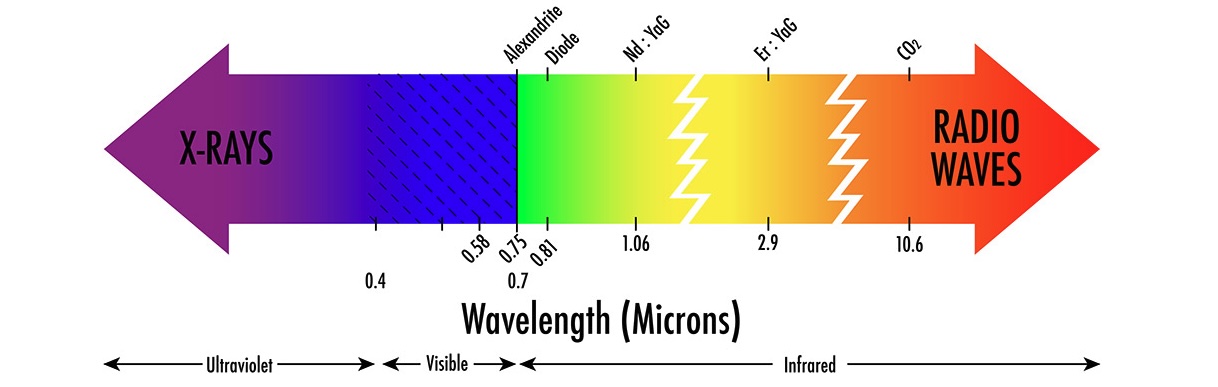
Diagram showing the light spectrum and laser wavelength ranges used in aesthetic treatments, including IPL, Nd:YAG, Erbium:YAG, and CO2 lasers

How IPL Rejuvenates the Skin

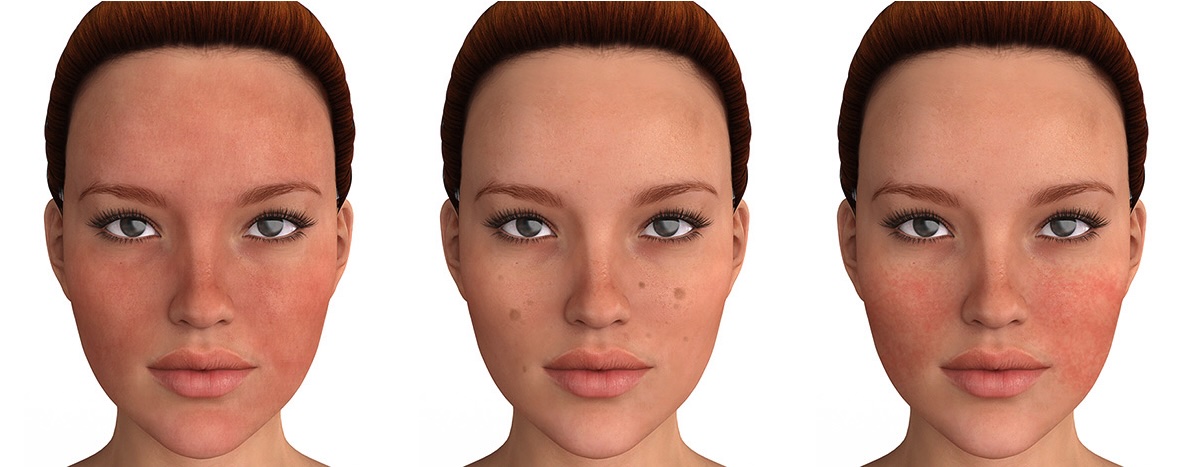
IPL can treat a variety of skin concerns, including hyperpigmentation, brown spots, redness, and visible blood vessels. By targeting uneven pigment and vascular concerns, IPL helps create a more balanced, consistent, and refreshed-looking complexion.

Illustration showing common IPL treatment concerns including redness, sun spots, hyperpigmentation, and uneven skin tone on the face

IPL treatment works by sending strong pulses of light into the skin to target discoloration, redness, and visible blood vessels beneath the surface. Different IPL settings can be used to address different concerns, such as brown spots, sun damage, redness, or uneven tone. During your consultation, Dr. Shah will determine the best treatment approach based on your skin type, concerns, and goals.

IPL Vs. PICO Laser

IPL uses a broad band of light to treat visible blood vessels, redness, hyperpigmentation, and brown spots. It is typically best suited for lighter skin types, usually Fitzpatrick skin types I–IV.

PICO lasers use ultra-fast pulses of laser energy, measured in picoseconds, to target pigment more precisely. PICO lasers can be used on a wider range of skin types and may be more effective for stubborn brown spots, deeper dermal pigmentation, and certain cases of redness or texture concerns.

In general, IPL is a great option for overall redness, sun damage, and uneven tone, while PICO laser may be preferred for darker skin types or more resistant pigmentation.

Banner media

Recovery Time From IPL Laser Treatment

IPL treatment typically has little to no downtime, allowing most patients to return to normal activities shortly after treatment. Results are often seen after 1 to 3 treatments, depending on the patient’s skin type, treatment settings, and specific skin concerns.

leaf closeup

Dear Dr. Anil, Thanks for taking the years off me. It's deeply appreciated!

Real Patient

Quote media
shadows and a plant

IPL Laser FAQ

Schedule Consultation

Does IPL Have Any Downtime?

IPL typically has little to no downtime because it is a light-based treatment. Patients may experience mild redness, but this usually resolves quickly. Brown spots may temporarily darken before flaking off over the next several days.

Does IPL Help Wrinkles?

IPL is not the best treatment for deeper lines or wrinkles. However, it can improve overall skin tone, discoloration, and brightness, which may help the skin look healthier and more refreshed.

What Type of IPL Is Best?

In our opinion, Lumecca IPL is one of the most advanced IPL options available. Lumecca uses a powerful xenon light source and selective light filtering to more effectively target specific skin concerns, such as redness, brown spots, sun damage, and uneven tone. Because of its stronger and more precise energy delivery, Lumecca can often create noticeable improvement in fewer treatments compared to older IPL systems.

If I Have Darker Skin, Can I Have IPL?

IPL is generally designed for fairer skin types. Patients with darker or olive skin tones may have a higher risk of pigmentation changes, so a PICO laser may be a safer and more effective option.

If I Tried IPL Somewhere Else and It Was Not Successful, Why Would I Try It Again?

IPL results depend heavily on the quality of the device, the treatment settings, and the provider’s experience. Some med spas may use outdated equipment or settings that are not strong or specific enough for the patient’s concern. In some cases, a different laser, such as PICO, may be a better option than IPL.

Is IPL Effective for Laser Hair Removal?

IPL is not typically the best option for laser hair removal. Dedicated laser hair removal devices are usually more effective and predictable for reducing unwanted hair.

Is IPL Effective in Treating Bruising?

IPL may be used in some cases to help reduce the appearance of bruising and speed up visible improvement.

When Was IPL First Approved?

IPL was first FDA-approved for treating telangiectasia, or visible small blood vessels, in 1995. Today, IPL is used to treat a variety of skin concerns, including vascular lesions, pigmented lesions, redness, brown spots, and overall uneven skin tone.

Does IPL Improve Redness and Brown Spots?

Yes. IPL can help improve both redness and brown discoloration in the skin. A 2007 study by Kawana found improvement in rosacea-type redness and solar lentigines, also known as sun spots, after IPL treatment. Many patients see improvement after one session, with more noticeable results after a series of treatments.

Does IPL Improve Texture?

IPL may help improve overall skin texture in some patients, but it is not the strongest treatment for deeper wrinkles or significant collagen remodeling. A 2011 study by El-Domyati found texture improvement in some patients, though there were no significant measured changes in wrinkles, collagen, or elastin. For deeper texture concerns, treatments such as CO2 laser resurfacing, Fractora, or RF microneedling may be more effective.

Does IPL Reverse the Aging Process?

IPL does not stop the natural aging process, but it may help improve visible signs of aging caused by sun damage, redness, and uneven pigmentation. Some studies have shown that IPL can create more youthful patterns of gene expression in treated skin, suggesting that it may help improve skin quality at a cellular level. Clinically, patients often notice brighter, clearer, and more even-looking skin after treatment.

Can IPL Treat Dyschromia From Burns?

IPL may help improve dyschromia, or discoloration, caused by burns in select patients. However, IPL must be used carefully because it can also cause burns, pigmentation changes, or “tiger-striping” if the wrong settings are used or if the patient is not a good candidate. Patients with darker skin types may be at higher risk, so a consultation is important to determine whether IPL or another laser option would be safer.

What IPL Office Is Near Me?

If you live near Chicago, IL, Anil Shah Facial Plastic Surgery offers IPL treatments at 200 West Superior St., Suite 200, Chicago, IL 60654.


Why Choose Dr. Anil Shah?

  • Dr. Anil Shah, MD, FACS is considered one of the top facial plastic surgeons in Chicago, specializing in rhinoplasty, facelift surgery, neck lift surgery, and eyelid surgery. Known for his refined approach and advanced understanding of facial anatomy, Dr. Shah is trusted by patients seeking natural, balanced, and elegant results.
  • Dr. Shah has published more than 50 scientific articles in the field of facial plastic surgery, including three landmark articles on facial anatomy that have helped shape the way modern facial plastic surgery is performed. His work reflects a deep commitment to precision, safety, and innovation.
  • Throughout his career, Dr. Shah has worked with a wide range of patients, including individuals whose appearance is closely tied to their careers, such as models, actresses, public-facing professionals, and socially prominent patients.
  • Dr. Shah completed his surgical internship at the University of Illinois at Chicago and his Otolaryngology–Head and Neck Surgery residency through Cook County Hospital/Stroger, Children’s Memorial Hospital/Northwestern, Lutheran General Hospital, St. Joseph’s Hospital, and Michael Reese Medical Center.
  • He is double board-certified by the American Board of Facial Plastic and Reconstructive Surgery and the American Board of Otolaryngology–Head and Neck Surgery.
Dr. Anil Shah media
Contact us media
Accessibility: If you are vision-impaired or have some other impairment covered by the Americans with Disabilities Act or a similar law, and you wish to discuss potential accommodations related to using this website, please contact our Accessibility Manager at (312) 878-3804.
Contact Us