
Case Study: Your Surgical Coordinator
Patient Profile
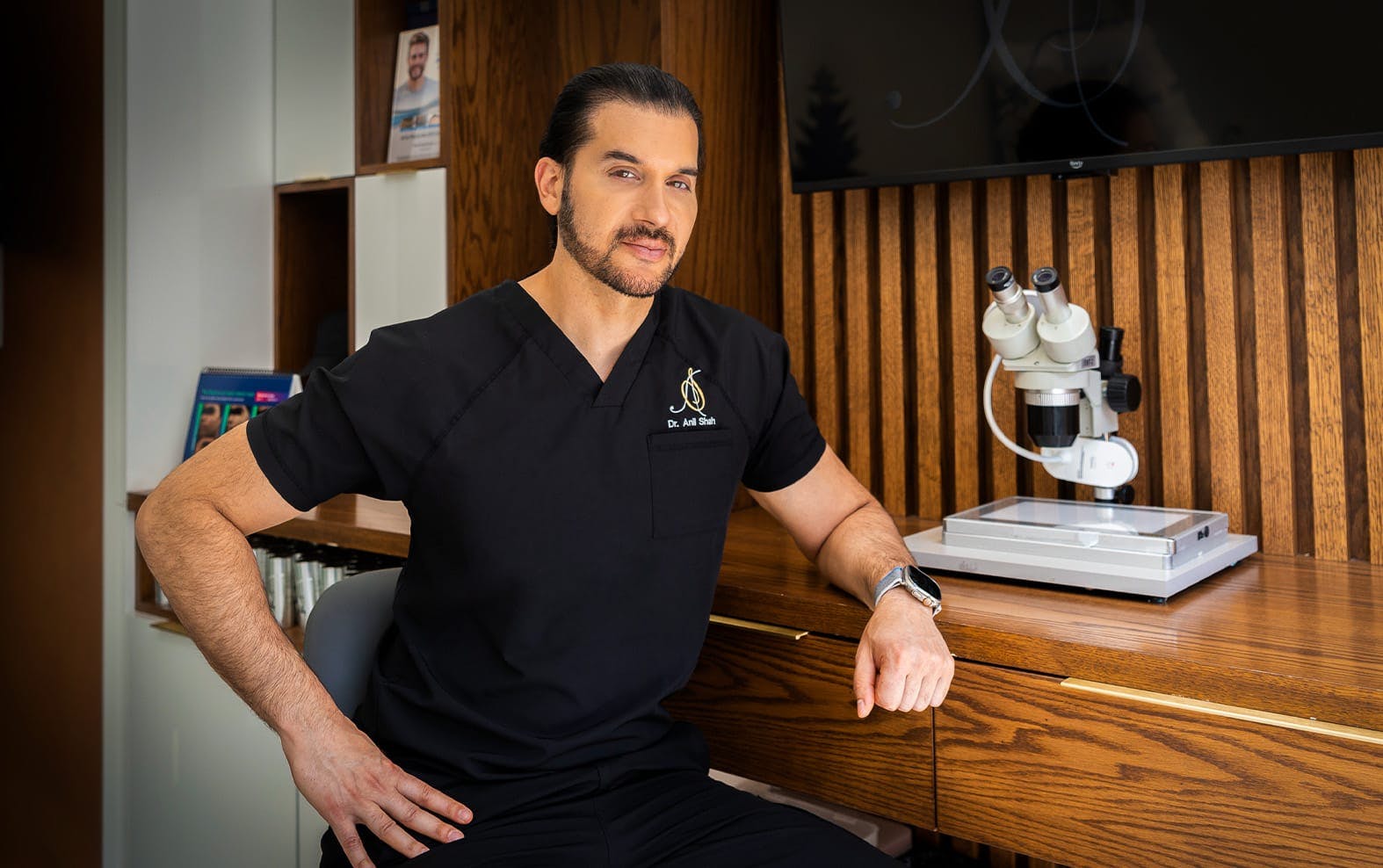
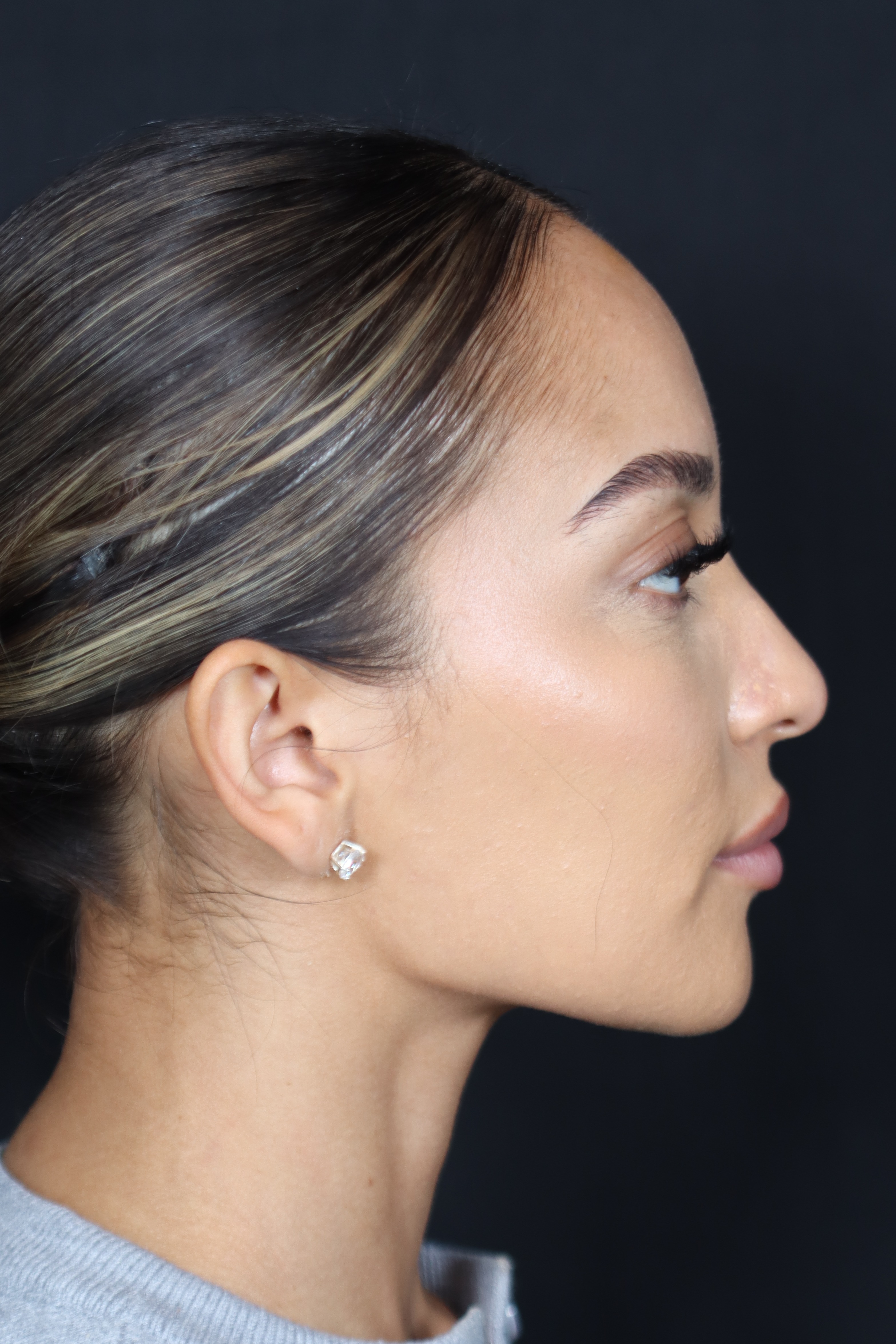
This patient is Dania, one of our surgical coordinators who maintained a prominent social media presence as a creator on TikTok. Because her face and digital persona were closely tied to her personal brand, she was accustomed to analyzing her features from multiple angles and wanted a refined, camera-ready result that preserved her identity and cultural features. While she always felt beautiful, she had long been extremely self-conscious about her nose, feeling that its width and proportions did not properly fit her facial features. Although she believed her breathing was normal, she experienced chronic breathing difficulties and lived with a deviated septum.
Watch her series on IG or Youtube:
The Real Aesthetic Journeys: The Office Makeover Episode 1

Pre-Op
Surgical Techniques Applied
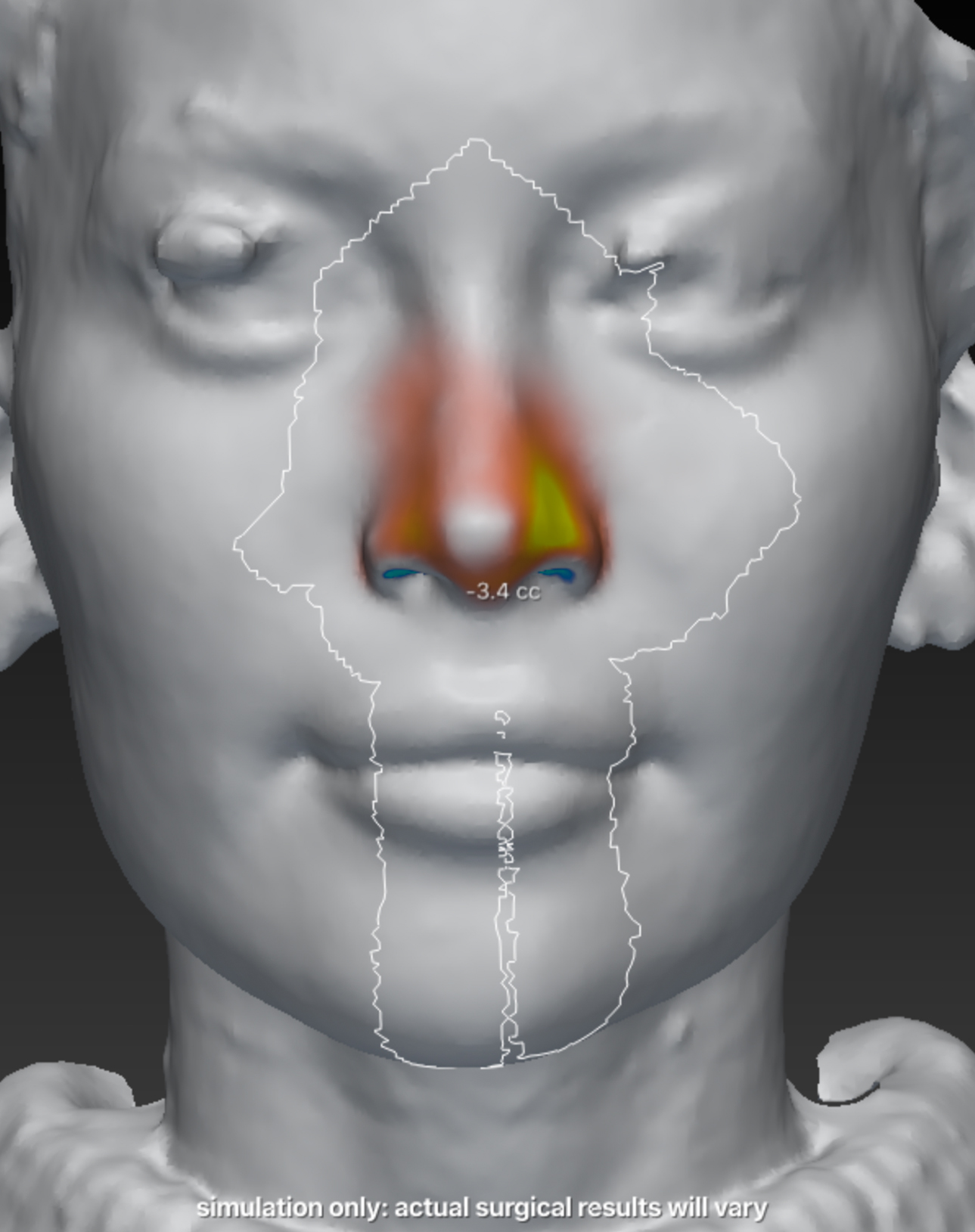
Dr. Shah performed a customized ultrasonic rhinoplasty, utilizing high-frequency vibrations with a PZO ultrasonic tool to selectively target bony structures and achieve ultra-precise control when sculpting the bridge while leaving soft tissues unharmed. The surgical plan combined high-definition cosmetic precision with foundational breathing correction, treating the entire septum as a single structural wall to ensure complete straightness and open internal nasal valves. The procedure de-projected the nose, smoothed the bridge, reshaped the nasal tip, lifted the columella, and drove the nostrils downward to correct unwanted flare and achieve an ideal, balanced projection that matched her facial geometry.
Recovery Timeline
Because Dania was a known sweller, a rigorous perioperative patient optimization protocol was a vital part of the planning process. She prepared her body by consistently consuming specialized MEND recovery powder and powdered greens twice daily to accelerate wound healing and combat inflammatory stress. The anesthesia strategy utilized a targeted intraoperative facial nerve block that isolated pain at the source, entirely avoiding strong medications like fentanyl and Valium.
The Early Recovery
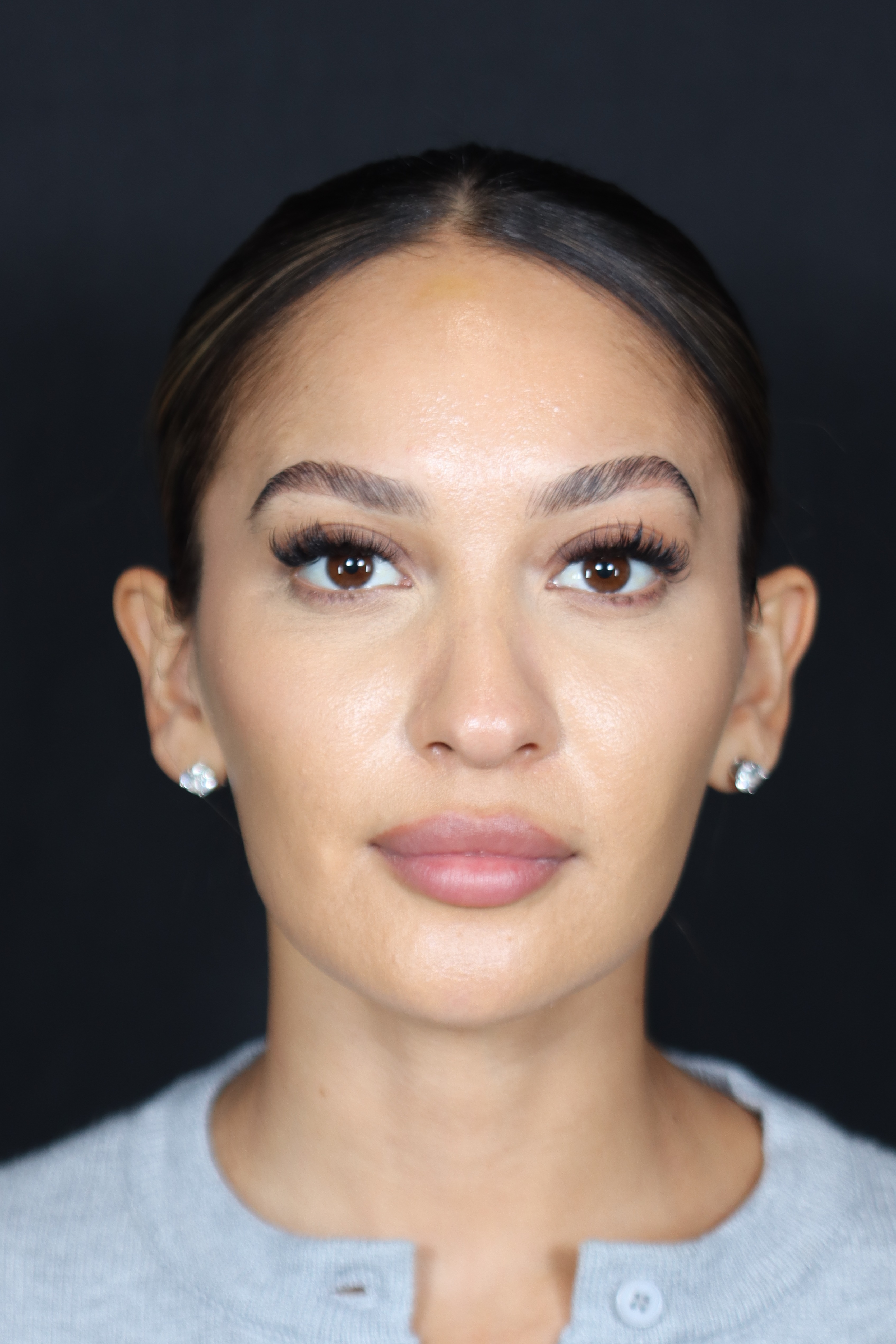
Following surgery, Dania reported zero pain the entire time recovering, requiring no prescription pain medications and experiencing a smooth transition out of the operating suite. Expected signs of deep bruising and massive facial swelling were minimized through proactive surgical design, though she utilized structured nasal taping, post-op Pico laser sessions, and red light therapy to help manage residual discoloration and encourage the skin envelope to drape smoothly. Because she felt better than she looked and experienced zero pain, she was able to return to work within her usual environment just days after her procedure.
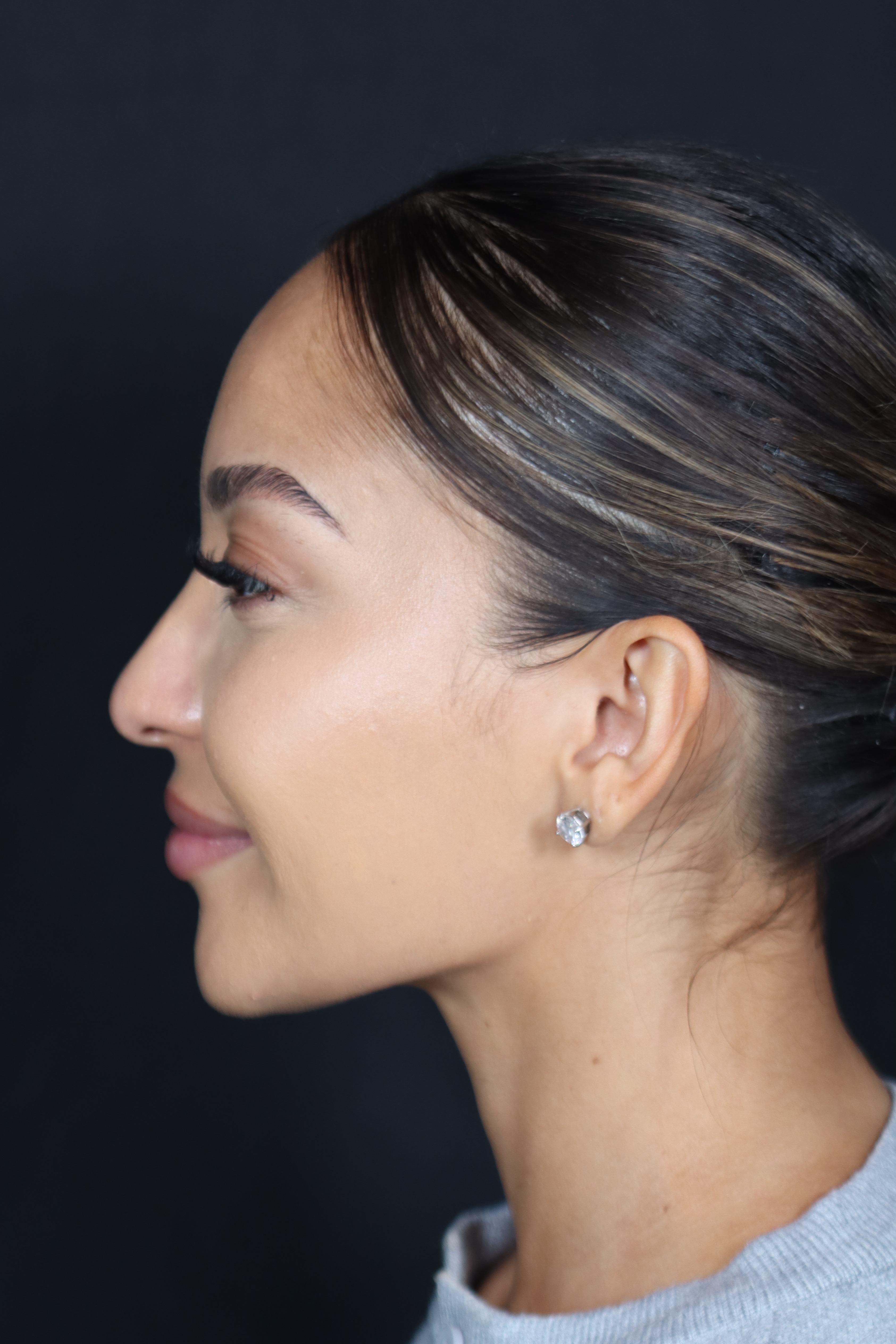
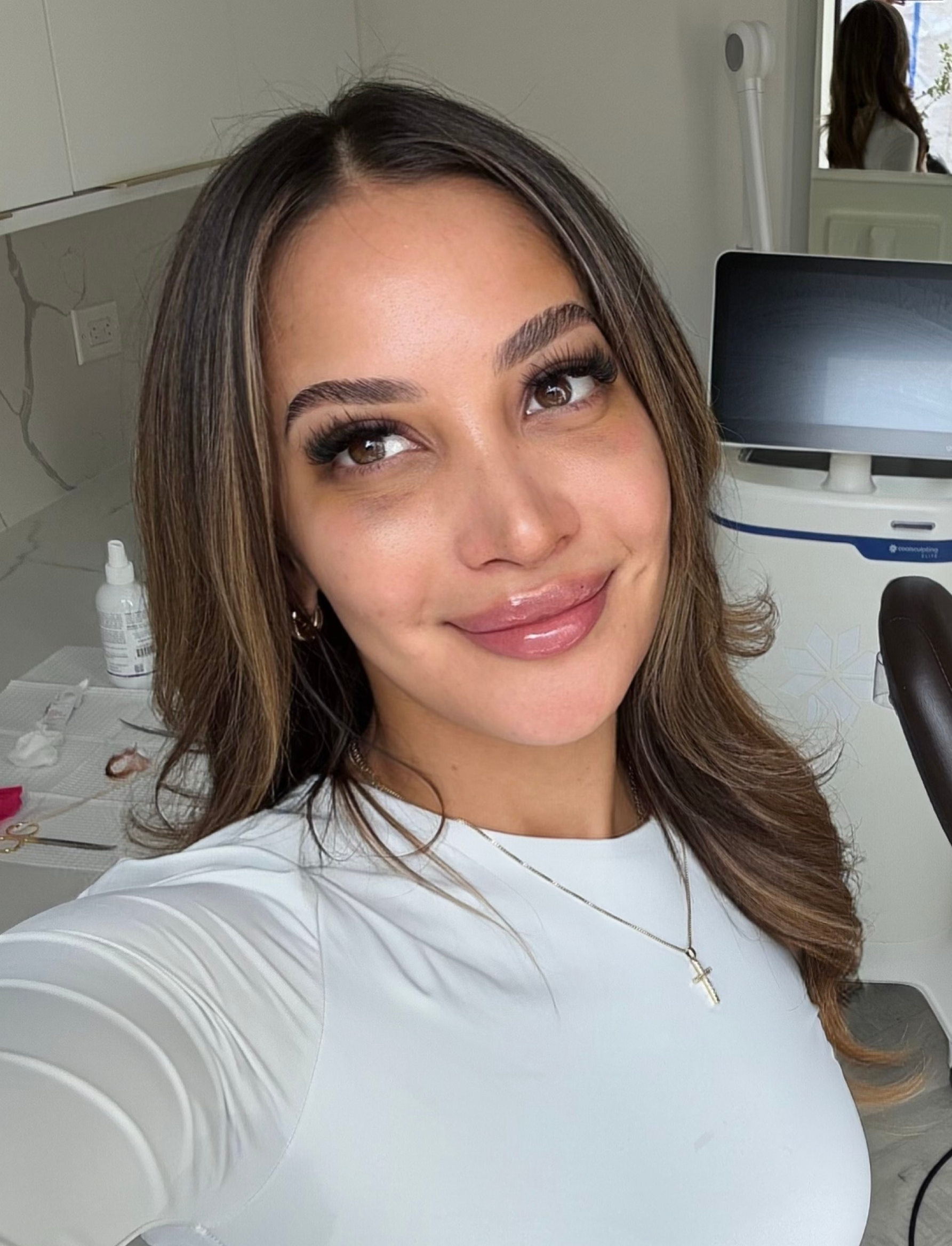
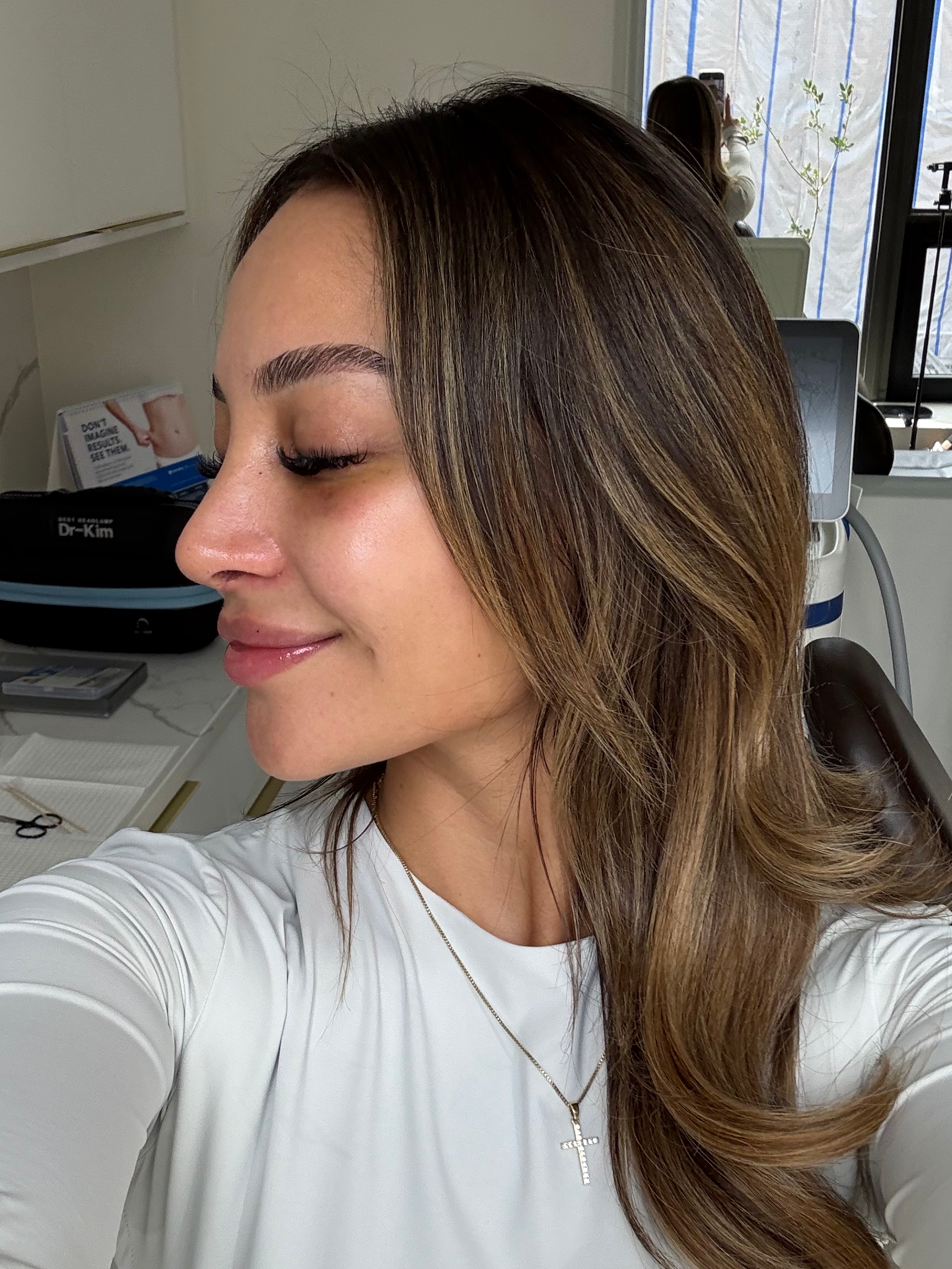
1 Week Post-Op
One Month Later
By the one-month milestone, Dania's swelling was steadily improving, and her scars were already healing exceptionally well and looking great. While she was patiently waiting for full resolution, she was able to return to light workouts at two weeks post-op and resume her normal active lifestyle and full workout routines by one month post-op, adjusting her training intensity as her tissues continued to settle.
Dania's Rhinoplasty Reveal - Watch Here
Three to Six Months Later
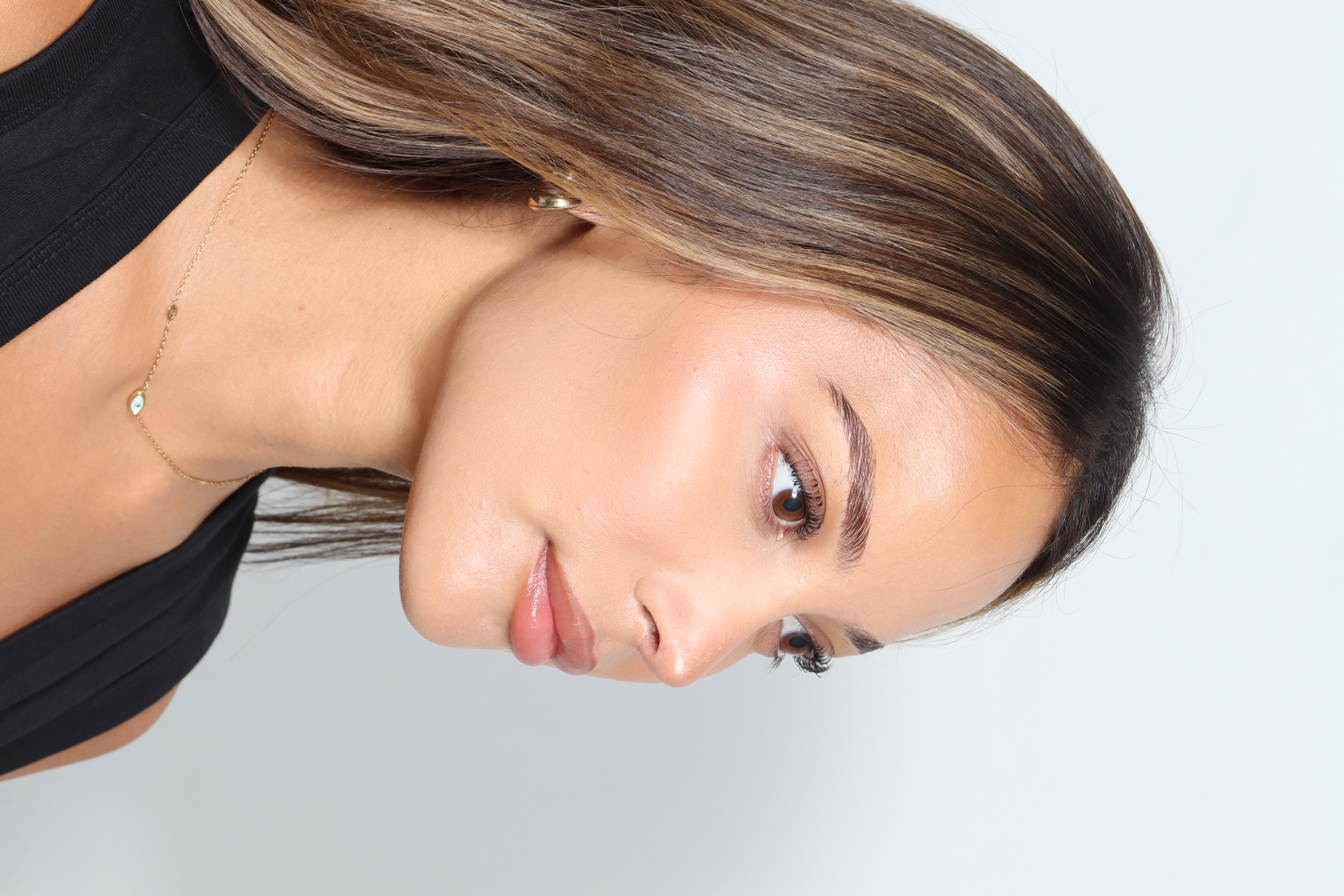
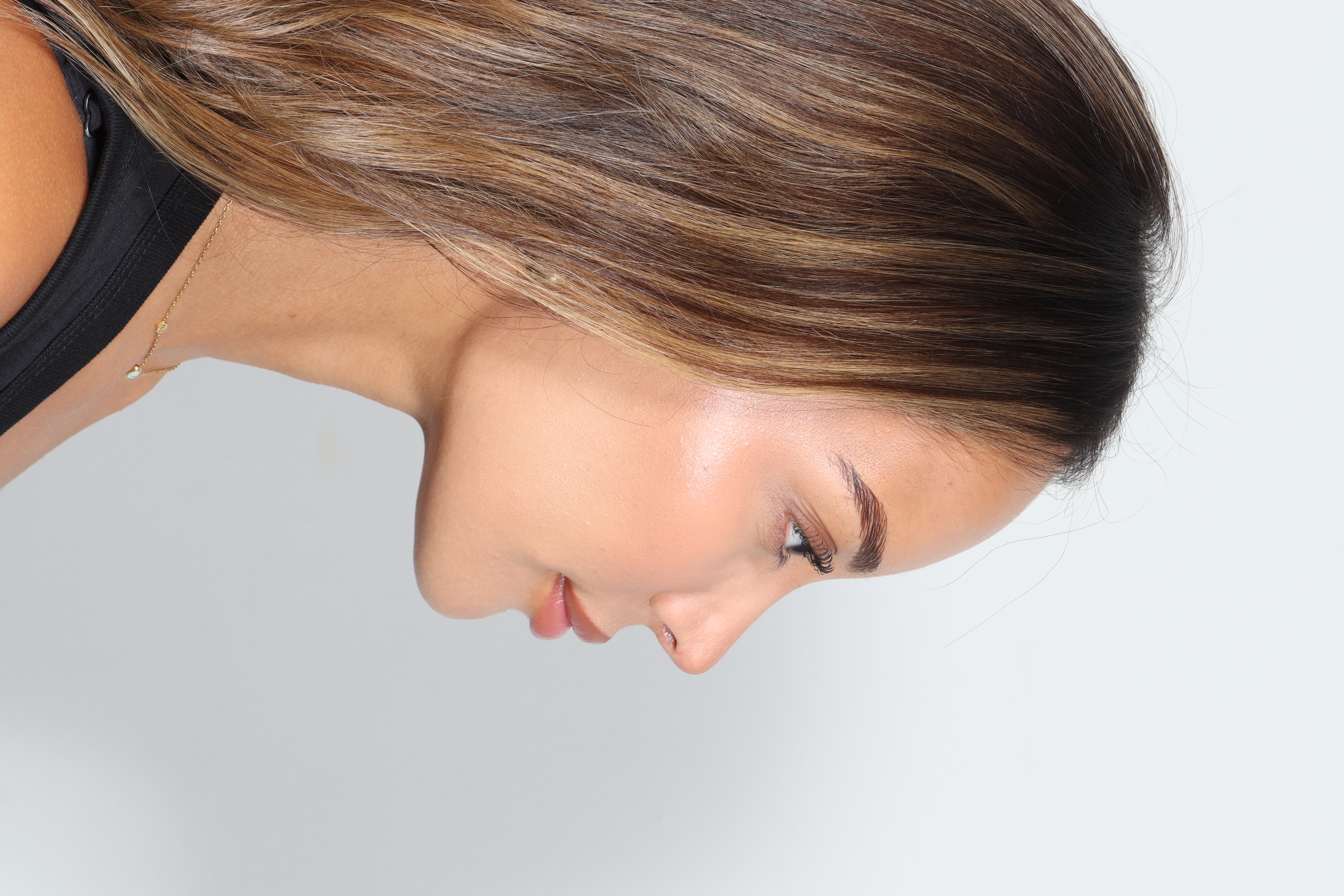
By the three-to-six-month mark, the acute postoperative edema had thoroughly dissipated, and her facial proportions appeared balanced with crisp definition. Friends, family, and online followers noticed a distinct yet highly subtle improvement through her social media platform. Most importantly, her features remained recognizably her own, fitting her facial geometry perfectly and eliminating the need for heavy contouring before working or filming on social media.

5 Months Post-Op

6 Months Post-Op
The Value of an Individualized Plan
Modern aesthetic and functional rhinoplasty requires more than applying standard reduction techniques. The bridge width, tip projection, nostril orientation, and internal airway patency must all be carefully balanced in relation to one another. In this case, the combination of ultrasonic precision, total septal reconstruction, thoughtful perioperative optimization, and targeted pain management created a result that was both camera-ready and functionally transformative.
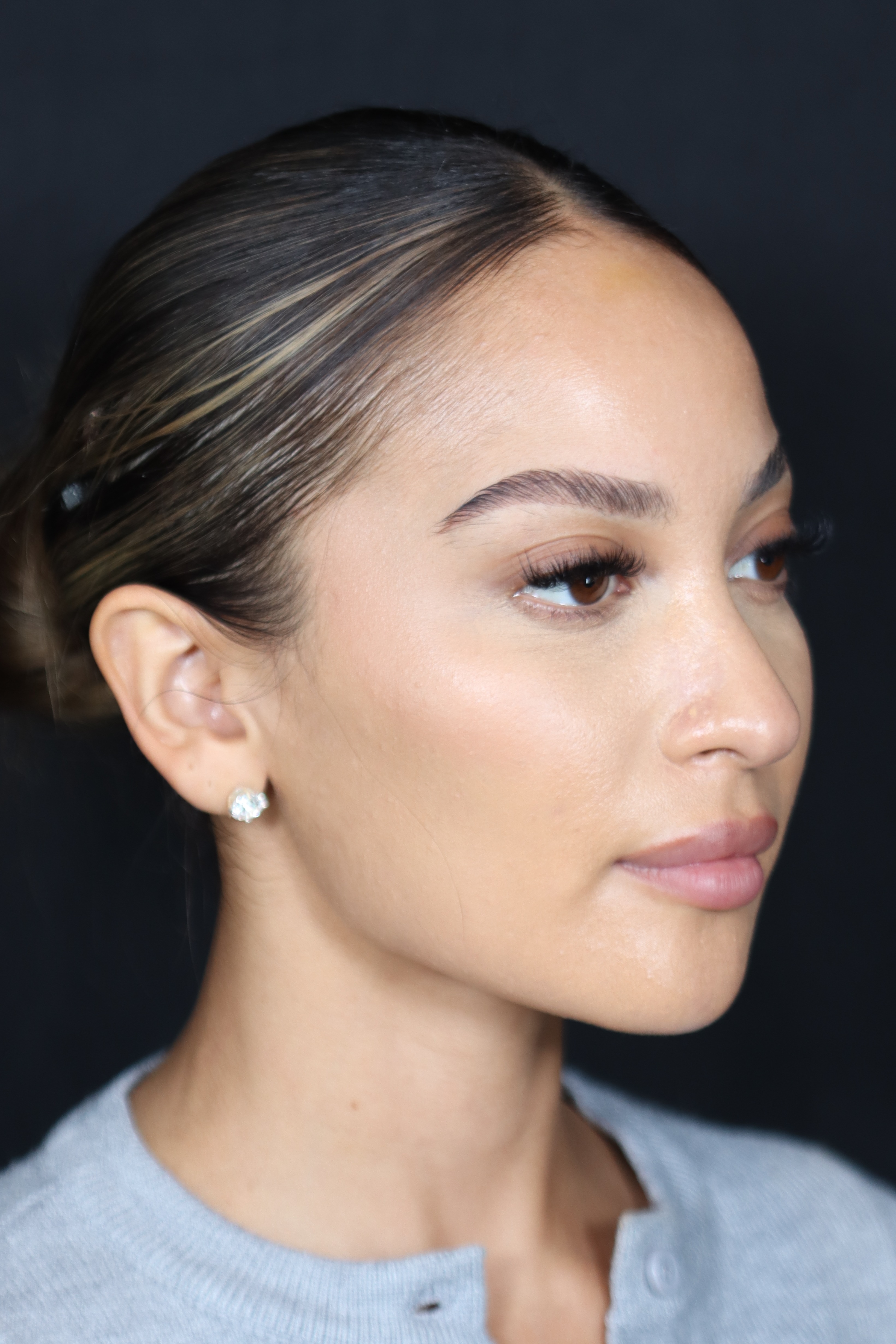
Pre-Op
1 Year Post-Op